关于 Zone 2 心率的跑步
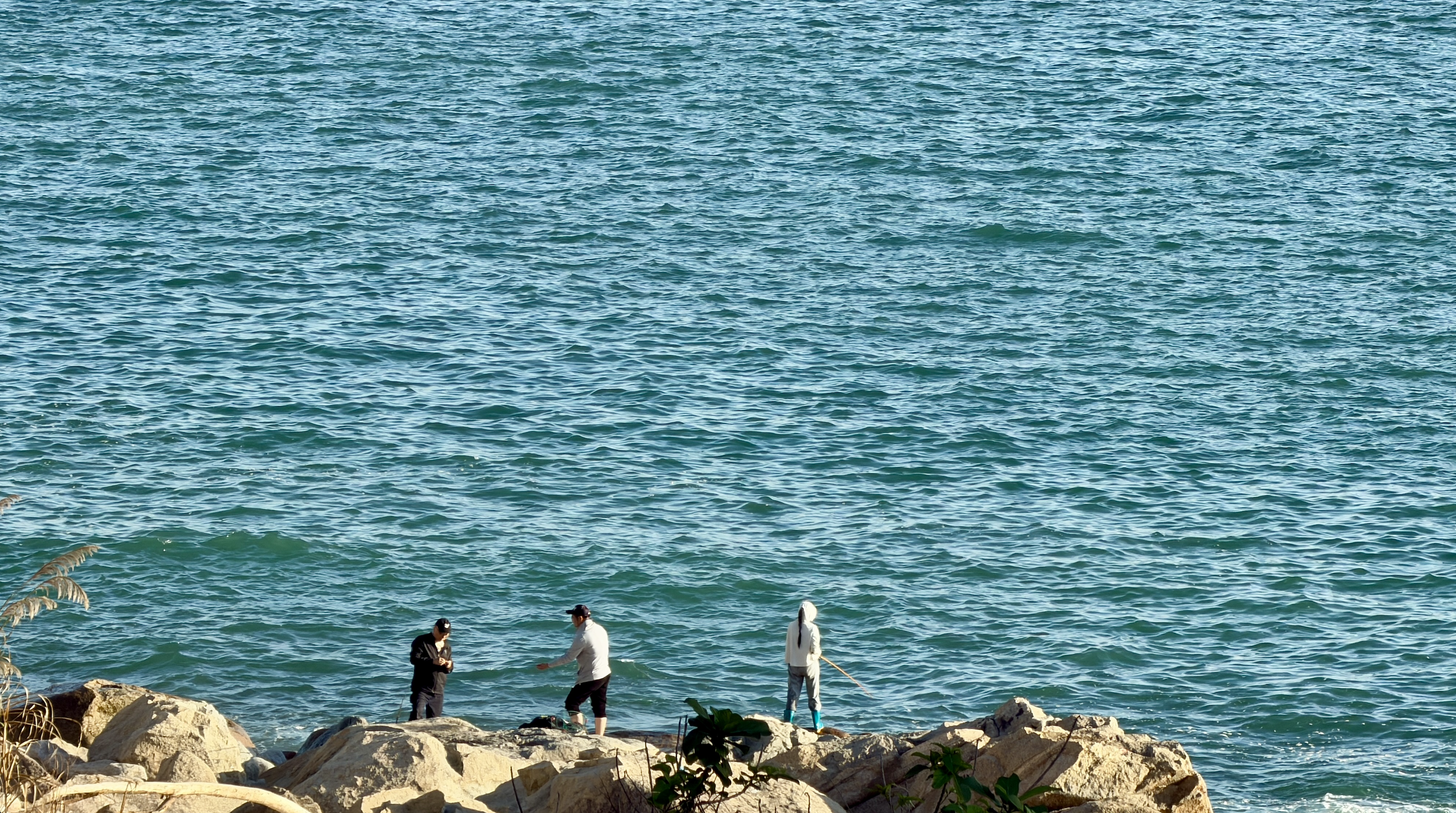
跑在海边的时候,我低头看了一眼手表:心率显示 135。
这是一个极其微妙的数字。如果再快一点,呼吸就会变得急促,那种随意聊天的感觉就会消失;如果再慢一点,感觉就成了一种惬意的散步。这就是所谓的 Zone 2,一种介于舒适与锻炼之间的灰色地带。
以前我总觉得,跑步若是不累,便是无效,于是乎一直硬挺。快一点,再快一点。要不然就是清晨一早起来就冲跑到上畅快起来。直到最近,我才开始理解跑步背后的逻辑。这不仅仅是关于脂肪燃烧或线粒体的生物学适应,更像是一种对身体的教导。保持在最大心率的 60% 到 75% 这个区间里,身体不惊慌,不透支,像一炉文火,慢熬出一锅南方的高汤。
但慢并不意味着随便。相反,慢一点,身体的每一个错误都会被时间放大。如果姿势不对,Zone 2 就不是一种锻炼,而是一种慢性的磨损。
我想起之前读到的关于跑姿的原则,试图把它们一一拆解进我的步伐里。
首先是上半身。需要想象头顶有一根线,把有些坍塌的脊柱轻轻拎起来。视线不再盯着脚下疲惫的影子,而是投向前方十几米的前方。这种细微的调整很神奇,下巴微收,你紧张的后颈就松弛了下来。
肩膀是另一个泄露焦虑的地方。隔几分钟一次深呼吸,感受下你的身体,把可能刻意把耸起的肩膀沉下去,像挂衣架上的一件旧衬衫,只有重力在作用。就像在心里做一次扫描:眉毛是不是皱着?上背是不是紧着?然后把那口气吐出去,把多余的力气散落在地。
手臂是你的节拍器。以前我很喜欢把手摆到胸前,像是在防卫什么。现在需要试着让手肘保持在身体两侧的窄轨道里,前后摆动,不越过你前进的中线。手掌里像是虚握着一枚易碎的鸟蛋,既不能捏碎,还不能掉落。这种放松传导到肩部,整个人就不再那样紧绷。
身体核心的感觉很微妙。它不是那种为了拍照而憋气的收腹,而是一个稳固的桶。肚脐稍微向脊柱靠拢一点,胸腔向上撑住。这种张力是为了防止在长距离的奔跑中,身体别塌了下去。
但这时候你在意的,更应该是脚下的声音。
小步频,轻落地。这六个字在脑海里像咒语一样循环。我看了一眼手表,步频维持在 176 左右。这比我平时走路的节奏要快得多,步幅需要变得很小。脚掌不再是砸向地面,可以想象像滚动着一个小轮子,落在重心正下方。
试着去听自己的脚步声。目标是寂静。
如果声音很大,说明对抗地面。而正确的 Zone 2 跑姿,应该像是一个潜行者,中前足轻触地面,随即弹起。那种感觉,就像脚底有一层薄薄的气垫。
这时候,呼吸成了最好的检验标准。四步一吸,四步一呼,节奏稳定得像钟摆。试着自言自语了一句:今天风有点凉。气息没有乱,这说明我还处在正确的区间里。如果连这一句话都说不完整,那就是跑快了,那就是又贪心了。
跑到四十分钟的时候,我感到一种久违的平静。
以前跑步是为了抵达某个终点,或者是为了某种配速的虚荣。但 Zone 2 的训练让我意识到,跑步本质上是关于持续。
不需要咬牙切齿的冲刺,不需要那种仿佛就要断气的壮烈感。只需要在这个心率区间里,用最好的技术,最安静的落地,用一种可以无限延伸下去的步伐,往前跑去。
这大概就是中年感悟到的吧:人生大多无需那种瞬间的爆发,更多的是一种可以持续很久的、不受伤的、温和的前行。
手臂在带节奏,核心在抗稳定,脚下没有声音。我又跑过了一个海湾,感觉自己可以就这样一直跑下去,直到道路的尽头。
Running by the sea, I glanced down at my watch: Heart rate, 135. #
It’s a fine line. Push a little harder, and my breath gets ragged, making conversation impossible. Slow down just a bit, and it turns into a leisurely stroll. That’s Zone 2—a gray area between comfort and a workout.
I used to think that if I wasn’t suffering, I wasn’t running. So I always pushed it—faster, just a bit faster. Or I’d sprint at the crack of dawn just for the rush. It’s only recently that I’ve started to understand the logic behind the miles. It’s not just about burning fat or mitochondrial adaptation; it’s more like teaching the body patience. Keeping the heart rate at 60% to 75% of max means the body doesn’t panic or burn out. It’s like slow-cooking a soup over a low flame—letting the flavors develop without boiling over.
But running slow isn’t about being lazy. In fact, time magnifies every mistake when you slow down. If your form is off, Zone 2 isn’t training—it’s just chronic wear and tear.
So, I run through a mental checklist, breaking down my form step by step.
First, the upper body. I imagine a string pulling the crown of my head upward, lengthening a spine that tends to slouch. I keep my eyes on the horizon, not the tired shadow at my feet. It’s a small tweak, tucking the chin slightly, and suddenly the tension in the back of my neck releases.
Shoulders are where anxiety likes to hide. Every few minutes, I take a deep breath and check in. I let them drop, letting gravity do the work, like an old shirt hanging loosely on a rack. I do a quick body scan: Is my brow furrowed? Is my upper back tight? Then I exhale, letting all that tension scatter onto the road.
Arms are the metronome. I used to hold them high across my chest, defensive and tight. Now, I try to keep my elbows in narrow tracks by my sides, swinging back and forth without crossing the centerline. My hands are loose, as if cradling a fragile egg—hold it too tight and it breaks; too loose and it falls. That relaxation travels up to the shoulders, and the stiffness fades.
The core is more subtle. It’s not about sucking in your gut for a photo; it’s about creating a stable cylinder. I draw my navel slightly toward my spine and lift my chest. This tension holds the structure together so I don’t collapse as the miles pile up.
But mostly, I listen to the sound of my feet.
Short steps, light landings. A mantra on a loop. I check my watch: cadence is around 176. That’s much faster than my walking rhythm, meaning my stride needs to be short. No stomping. I imagine my feet rolling like small wheels, landing directly under my center of gravity.
The goal is silence.
If it’s loud, I’m fighting the ground. A proper Zone 2 stride should be stealthy—midfoot or forefoot kissing the pavement, then springing off. It feels like there’s a thin cushion of air under my soles.
Breathing is the ultimate test. Four steps in, four steps out—steady as a pendulum. I mutter to myself, “Wind’s a bit chilly today.” My breath doesn’t catch. That means I’m in the right zone. If I can’t finish that sentence, I’m running too fast. I’m getting greedy.
Forty minutes in, a calm settles over me.
I used to run for finish lines or for the vanity of a pace on a screen. But Zone 2 has taught me that running is essentially about sustainability.
No gritted teeth, no heroic gasping, no drama. Just the right heart rate, clean form, and quiet footsteps—a stride that feels like it could go on forever.
Maybe this is the lesson of middle age: Life mostly doesn’t require sudden bursts of intensity. More often, it asks for something sustainable, injury-free, and gentle enough to keep moving forward.
Arms keeping the rhythm, core holding steady, feet silent. I round another bend in the bay, feeling like I could keep running like this until the road runs out.