巍峨南太行
6:10 拎起行李一早就上车。昨晚住的中州国际饭店,说实话体验并不好。就如孩子外公点评的一样:国营企业嘛,总会有点不一样。
今天因为我们要去平遥古城,所以决定反穿南太行。从三岔村右拐,沿着八达村直接上山,海拔一下子会直升 1000 米。
花壶线很美,才绕了几道盘山公路,山景一下就把我们震撼住了。背后是高耸入云的山峦,前方是清晨依然刺眼的霞光;越往上走,山势越陡。
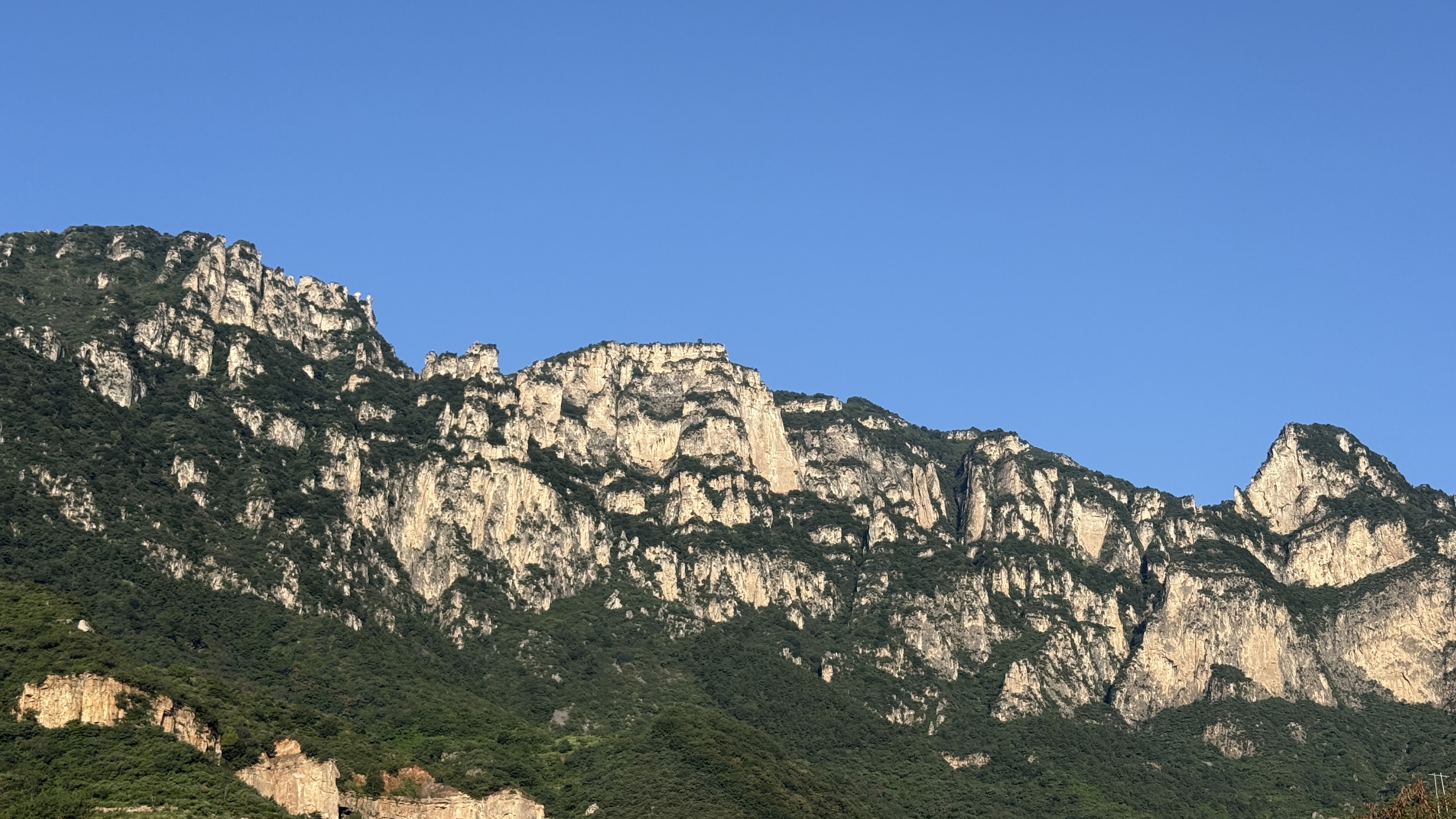
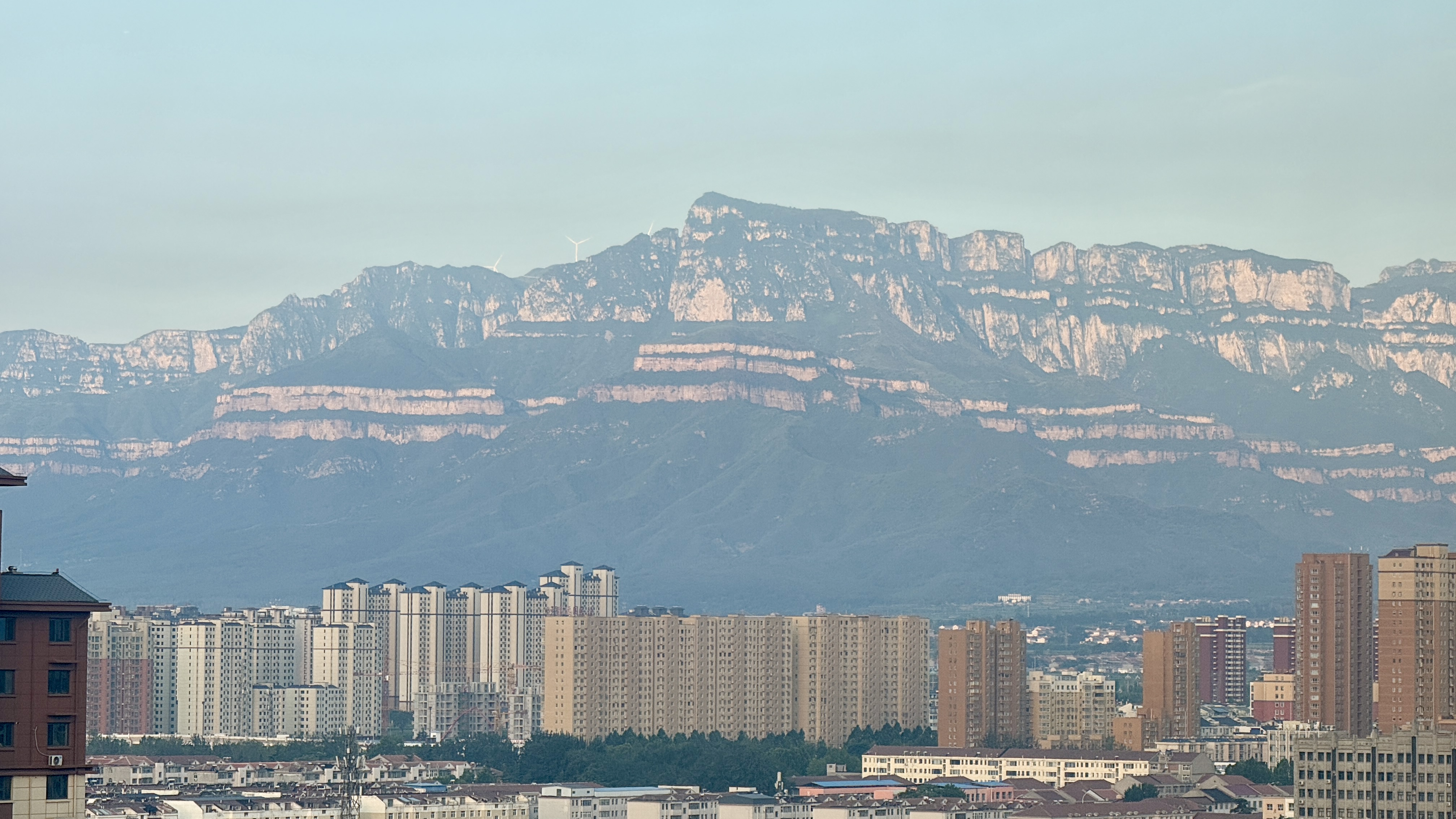
苏轼说:“太行直上三千尺,嶂立千重翠欲流。”而今见之,才知这种千米绝壁才是真正的壁立千仞啊!也不知道亿万年前这里经历了什么,才让这辽阔的平原冒出了如此多的断裂山地。这种地壳断裂是抬升,还是被取走了另一块人间精华?如果你相信有更强大的力量存在——
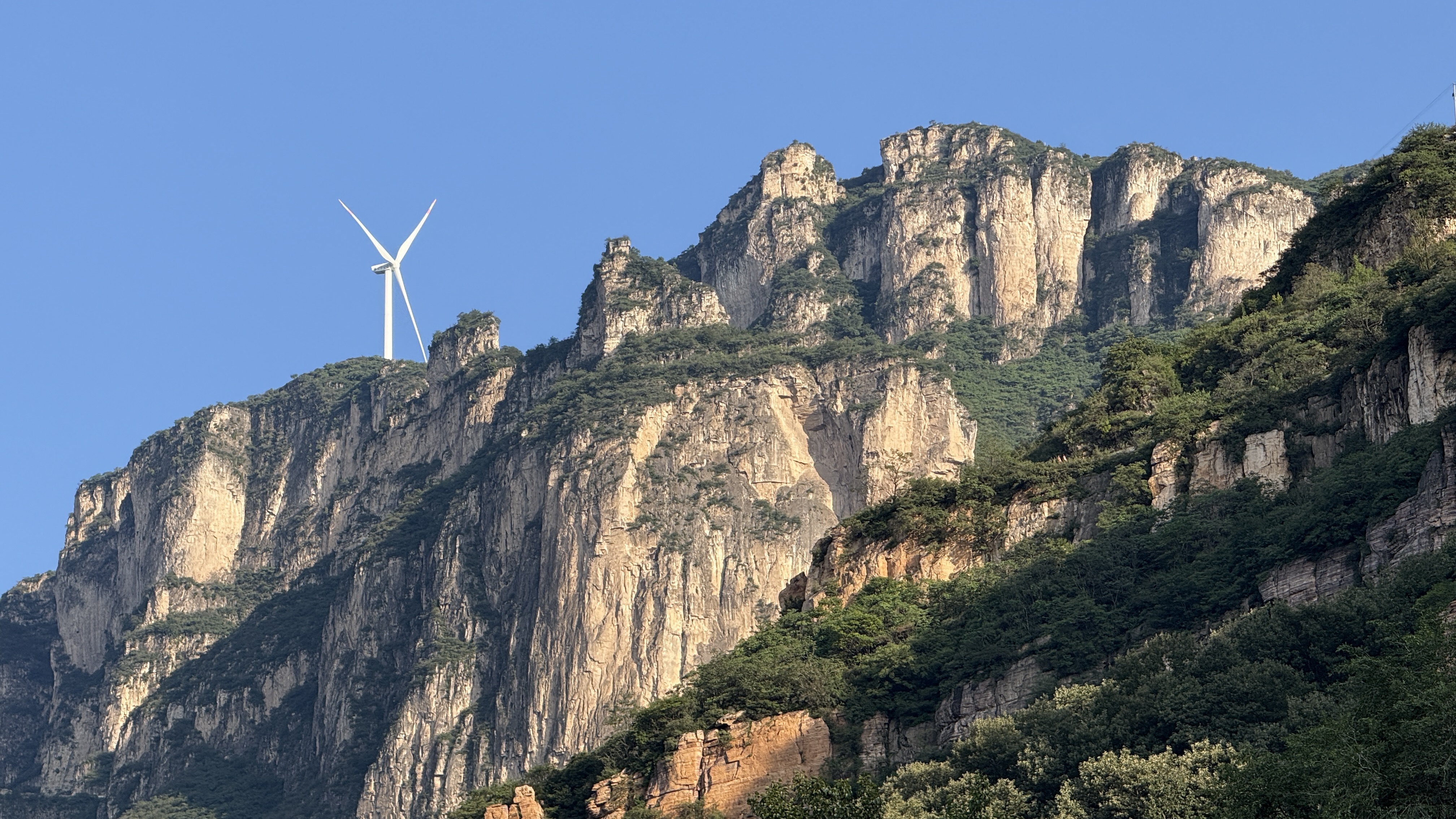
相比张家界的神秘浪漫,这里有着更多的忠义与务实。局部的丹霞深壑与峡谷,完全就是一幅千里江山图。
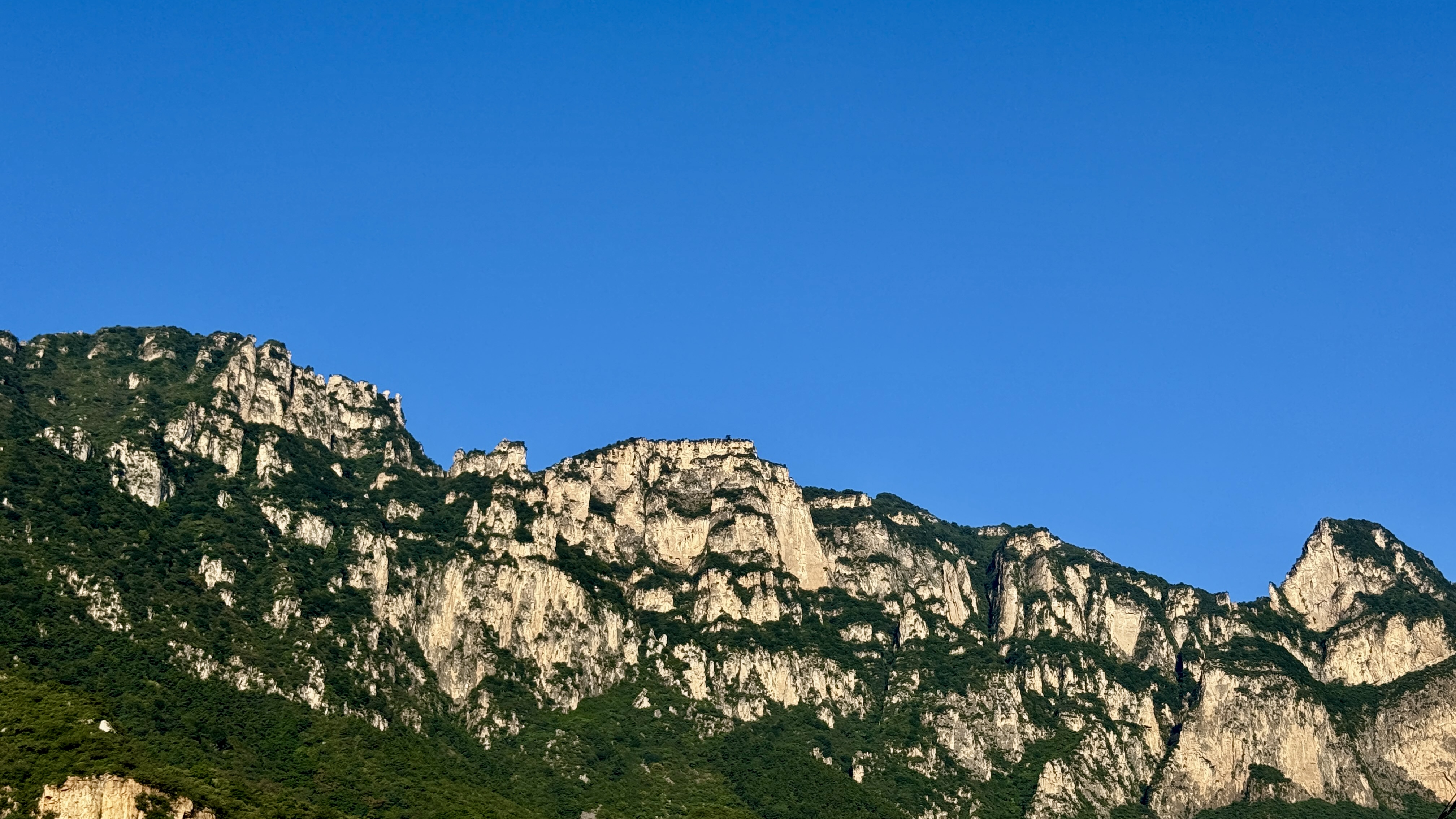
站在山顶,所有的忧愁都迎风飘散!崇山峻岭仿佛时刻告诉我们:“其实你这一眼,我已准备了亿万年。”然而我却跨越了几乎生命的长度,才有缘来见。
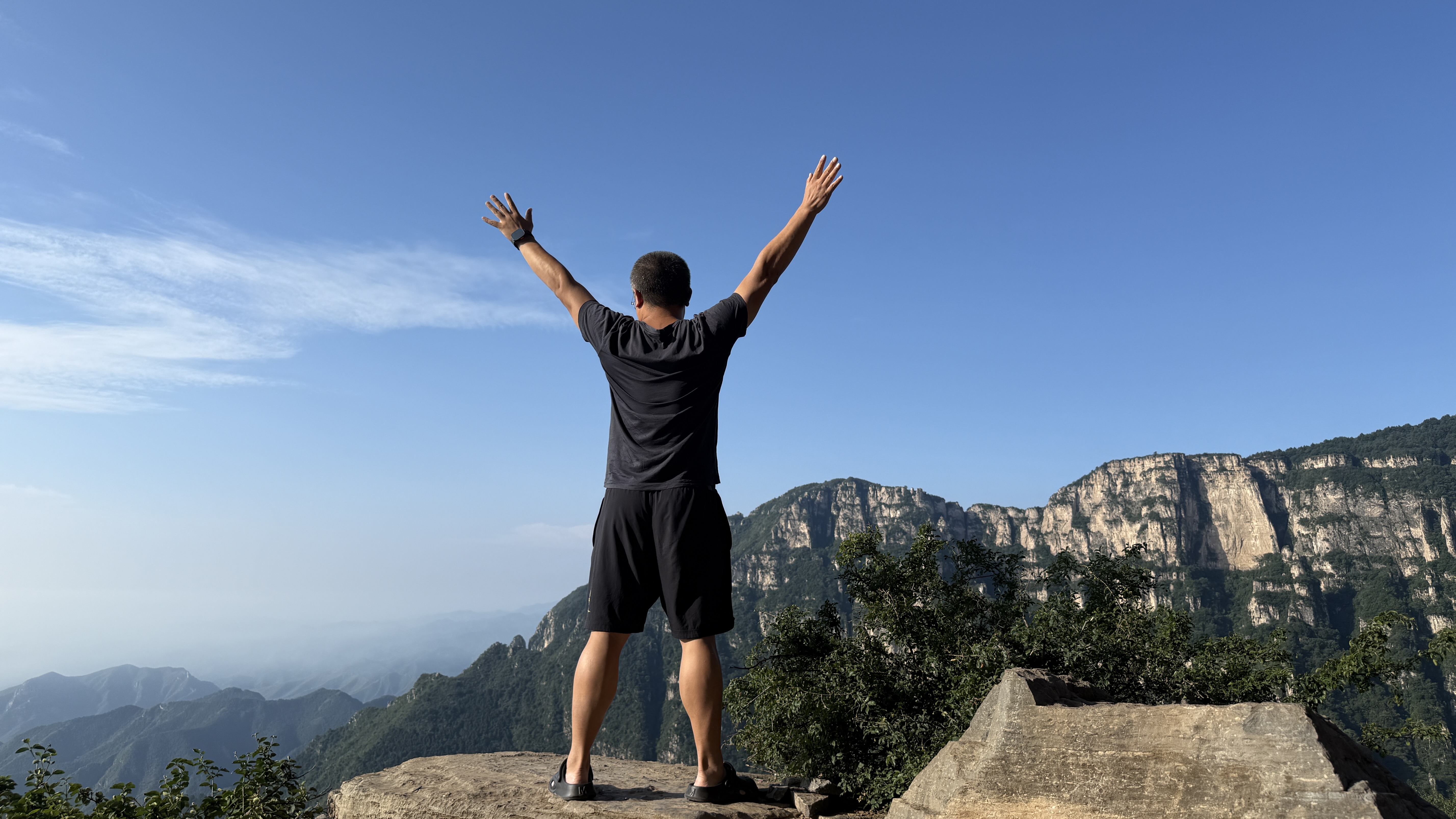
要知道,从这儿到河南郑州的路上,那可是一马平川。然而当我们看到太行的那一刻,都惊呼了起来。夕阳下的它如山水画一般浓墨重笔,山顶上那几台风力发电机依然不时提醒我们现代文明的侵入。
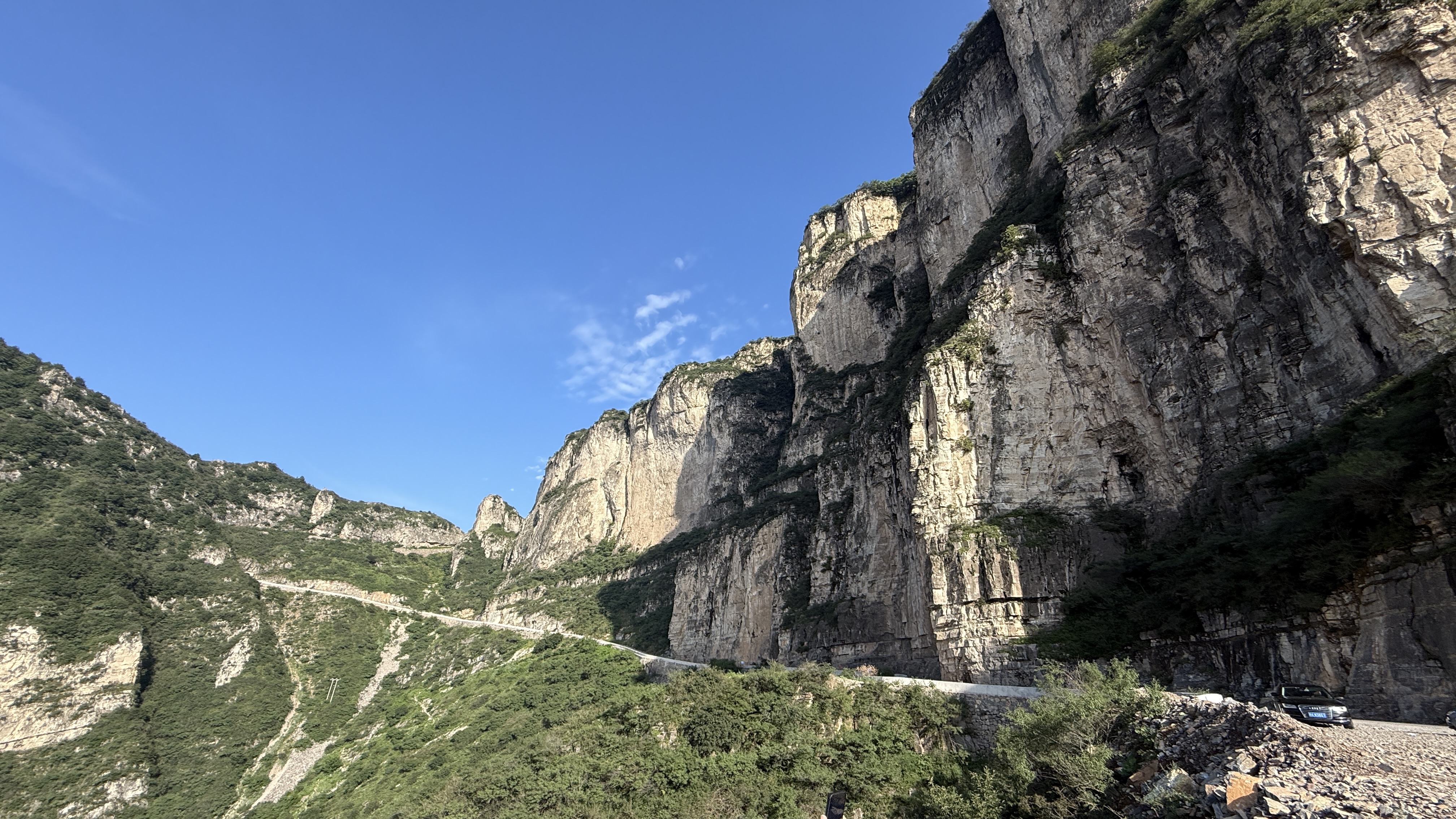
太行其实和张家界很相似。出了垭口,车子就主要在山脉顶端穿行:右边是悬崖峭壁,左边远处也是底层断裂带,景色绝佳却不敢多驻留。山顶到神龙湾观景台一路顺畅;在神龙湾顶上休息会儿,吃两碗拉面,飞个无人机。因为要赶往平遥古城,就没有下到谷底去玩耍。
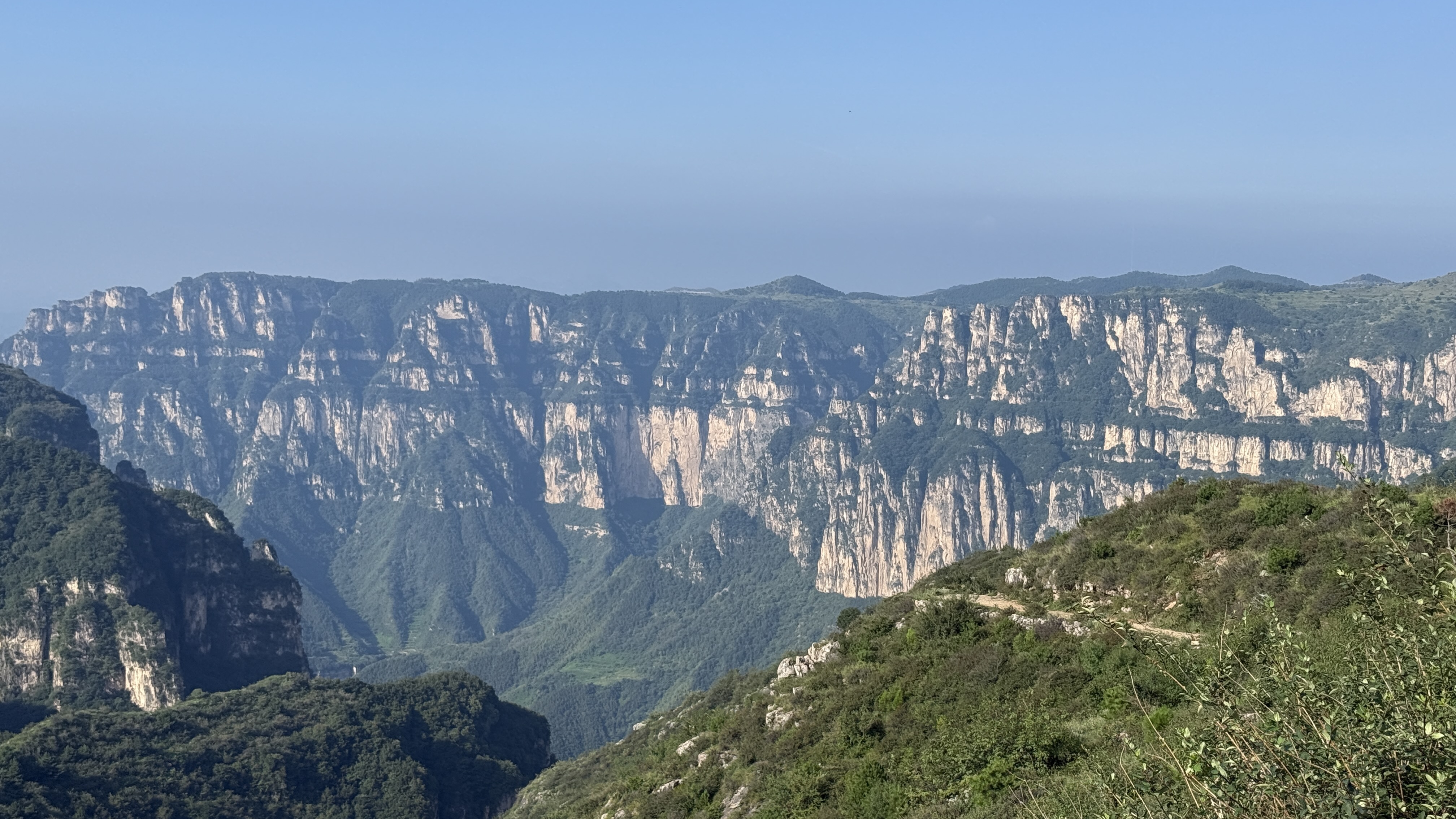
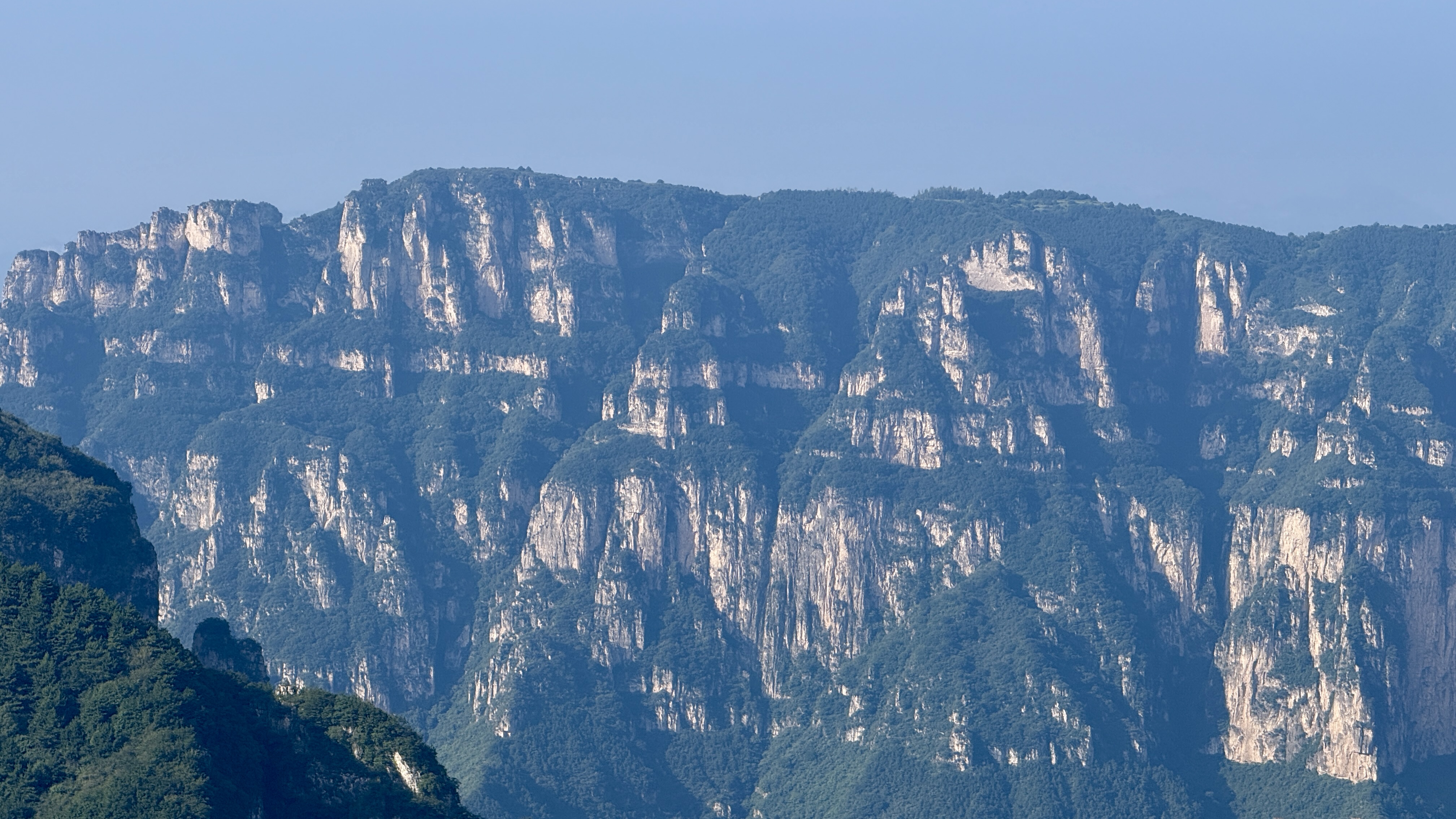
冒着烈日,以限速 100 km/h 的速度缓缓到了平遥。原来山西也是黄土高坡啊!路边的“土堆”其实并不是土堆,而是历史长河冲刷之后的小山。毕竟是高原,天空湛蓝,比在河南境内的空气质量好很多。当然,山坡上的植被和缓缓移动的山羊,还有那煤厂,都在告诉我们这里还有许许多多的故事。
South Taihang Mountains。 #
6:10 a.m. We hefted our bags into the car and pulled out while the streets were still half-asleep. Last night we stayed at the Zhongzhou International Hotel; to be honest, the experience was underwhelming. As the children’s grandfather put it with a shrug, “State-run places—there’s always something a little off.”
Our destination today is the walled town of Pingyao, but we first want to “back-track” through the southern Taihang range. At Sanchacun we turned right, followed the road up past Badacun, and in the blink of an eye gained roughly a vertical kilometre.
The Hua-Hu Scenic Road is gorgeous. After only a handful of switchbacks the vista exploded: behind us peaks stabbed into the clouds, ahead the dawn light was already blinding. With every metre we climbed, the slopes grew steeper and the air thinner.
What a peculiar city this is—its forest of high-rises looks puny beside the Taihang. Seen from a distance these hills appear almost modest, yet they belong to a mountain system of immense power.
We had driven only a short way from the foothills when a whole catalogue of landforms crowded together inside a hundred-kilometre radius. I slammed on the brakes to take photos; the scene begged to be caught on camera. All the florid phrases I’d prepared deserted me in that instant—rather like the old verse, “I gaze on the green hills, beguiled; perhaps they return the favour.” Two thousand kilometres on the odometer—3,600 including all our detours—and at last I was able to do a lightning visit to the southern Taihang, a feat unimaginable in another era.
Su Shi once wrote: “The Taihang soars three thousand feet, ranks of emerald crags about to spill.” Standing here you finally grasp what a wall of rock a thousand metres high actually looks like. What upheaval, eons ago, ripped the great plain and thrust up so many fractured ridges? Was the crust lifted, or was another piece of earthly essence whisked away?—if, that is, you believe in powers larger than tectonics.
That is the spirit I’m talking about—the austere grandeur the Taihang has come to symbolize. As a rampart for China’s heartland it has long been a natural line of defence. More than that, the range has produced “generals in the field and ministers at court”: from the flood-taming legends of the Xia, Shang and Zhou to the loyal heroes of the Spring-and-Autumn era, right down to the parable of the Foolish Old Man Moving Mountains. Tenacity, righteousness, endurance—these qualities seem carved into the rock itself.
If Zhangjiajie whispers of mysticism and romance, the Taihang speaks of loyalty and plain dealing. Patches of Danxia cliffs and deep slot canyons spread out like an ink-and-wash landscape two hundred leagues long.
Across the valley, enormous cliffside irrigation channels line up in ranks; you can almost hear chisels ringing against stone. Here there is beauty, precipice, and scale; but also culture, story, backbone.
At the summit every care is blown away by the wind. The mountains seem to murmur, “I have waited a hundred million years for this one glance of yours.” It has taken me nearly a lifetime to earn it.
Grandpa keeps telling the kids not to stand too close to the edge, while I stare at the vertical drop—half fearing falling rocks, half lost in awe.
Bear in mind, the road to Zhengzhou is ruler-flat. So when the Taihang first hove into view we all gasped. In the sunset it turned into a forceful ink painting, modern wind turbines on the crest reminding us that the present always intrudes on the past.
Perhaps that realisation itself is happiness. Maybe our time here is painfully short; or perhaps it’s so long we forget that, for all its millennia, human civilisation is still just a mote on this planet.
Up on the crest road nobody dares raise a voice—one pebble kicked loose from those cliff walls could be lethal. We fire off a few photos and move on.
In places the Taihang feels like a cousin of Zhangjiajie. Once we cleared the pass the car ran along the ridge-top: sheer drop on the right, distant fault-line terraces on the left—views to die for, but not to linger over. The drive to the Shenlong Bay lookout was smooth: a quick rest, two bowls of hand-pulled noodles, a flight for the drone. Because Pingyao beckoned we skipped the descent to the valley floor.
Battery anxiety proved unnecessary: we set out with 389 kilometres of range and still had about 250 by the first service area.
Under a pitiless sun we drifted toward Pingyao at the 100 km/h limit. So Shanxi too is part of the Loess Plateau! Those “heaps of dirt” by the road are in fact ancient hills, sculpted by the river of time. Being on a plateau the sky is cobalt blue, the air cleaner than in neighbouring Henan. The scrubby slopes, the unhurried goats, the coal-processing plants—they all hint at a thousand stories more.