在山野间,做个无用的父亲
天下父母心,大抵都是相似的。我们总是盼望着孩子能健康,能聪慧,最好还能在学业上有些建树。但这看似简单的愿望,在如今这个高速旋转的现代社会里,却变得愈发沉重和复杂。
作为一个普通的双职工家庭,我和妻子也曾在这洪流中焦虑过。尤其是当大儿子在激烈的竞争中与常青藤失之交臂,辗转去了 UCSC 时,遗憾之余,我更多的是一种惊醒:在忙碌的工作与缺席的陪伴之间,我们是否错过了什么?如今,面对刚上小学的小女儿,我常想,怎样才能让她在成长的路上,少一些焦虑的驱赶,多一些无忧无虑的舒展?
直到上周,女儿捧着三块运动会的奖牌回家,那稚嫩脸上洋溢的、纯粹的快乐,让我第一次确信:有些坚持,是对的。
我想聊聊这两年我们家的一项笨功夫:带孩子爬山。
寻找一块无用的时间
两年前,我还深陷在日复一日的高强度工作中。每天十四五个小时的运转,让我和妻子活得像两台不知疲倦的机器。但即便如此,我们仍执拗地想在周末找一个缝隙,一个既能陪伴孩子,又能让我们自己也喘口气的缝隙。
我们试过画画班,孩子画得开心,我们在门外等得焦心,那种被割裂的时间让人不安;我们试过游泳、拳击,但总觉得那是为了学技能而去的,少了点什么。
我们真正想要的,其实很简单:一家人在一起,拥有一大块完整的、没有目的的闲暇。在这段时间里,我们不再是盯着钟表的管理者,孩子不再是赶场子的执行者。我们可以接触泥土,可以看云,可以什么都不做。
于是,那个尘封了五六年的登山包,被重新翻了出来。
从蹒跚到飞翔
起初,这只是一个模糊的念头。我和妻子年轻时曾是狂热的户外爱好者,船底顶、鳌太、冈仁波齐……那些山野曾见证了我们的青春。但随着孩子的出生和疫情的阻隔,身体垮了,最大摄氧量从 45+ 跌到了 20,连那个 75L 的大包都显得有些沉重。
没想到,第一次带全家去梅林水库走环线,七旬的老人和五岁的孩子,竟然硬生生走完了八公里。那一刻,仿佛某种熄灭的火种,重新被点燃了。下一次试试家门口的大南山?
从此,每个周六成了我们家的登山日。从塘朗山到梧桐山,从七娘山到梅沙尖,走完大脑壳又去了凤凰山。冬去春来,我们看着女儿从一开始需要搀扶着走,到后来在阳台山的台阶上蹦跳自如,再到如今在银瓶山的林间像小鹿一样灵活。
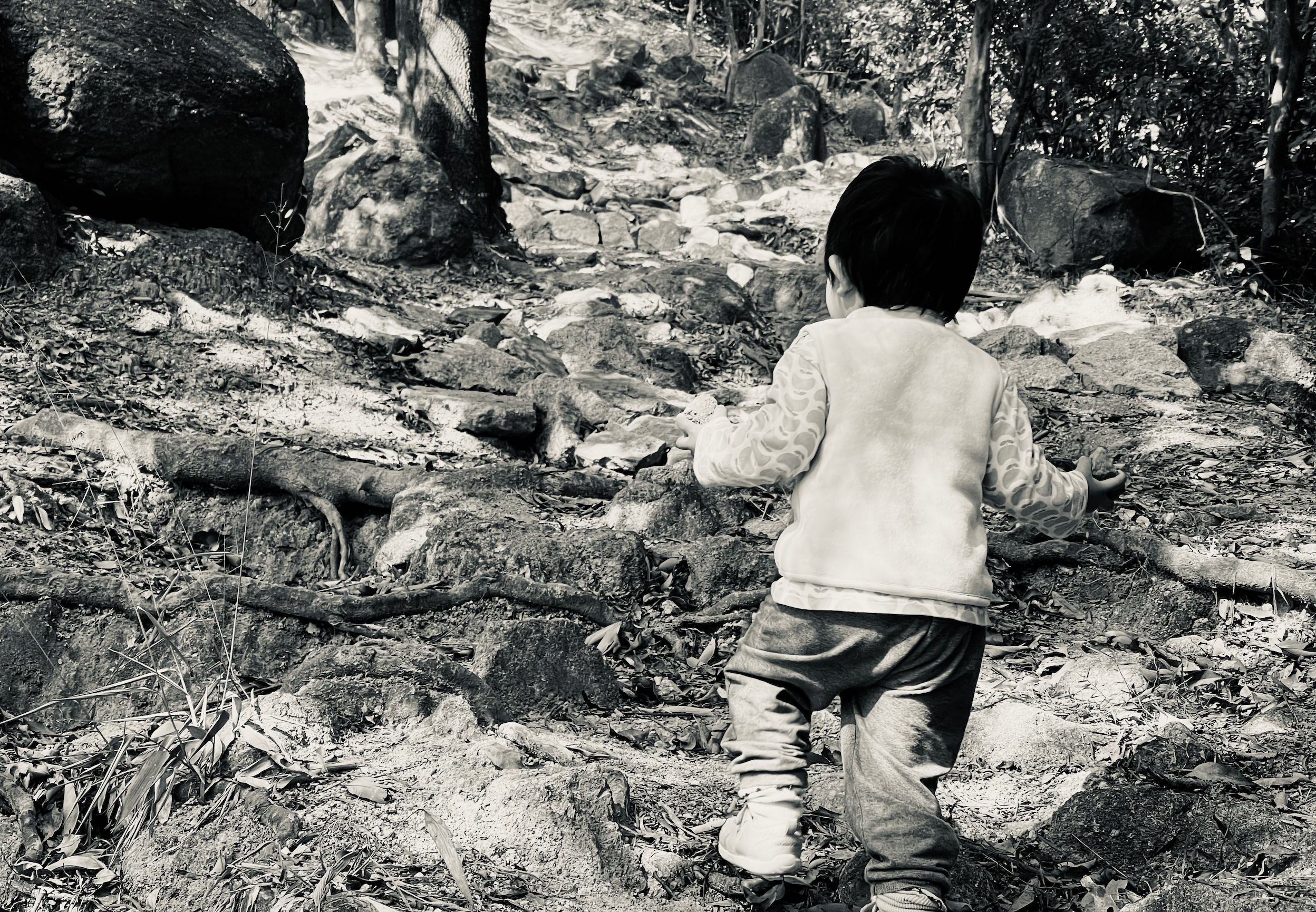
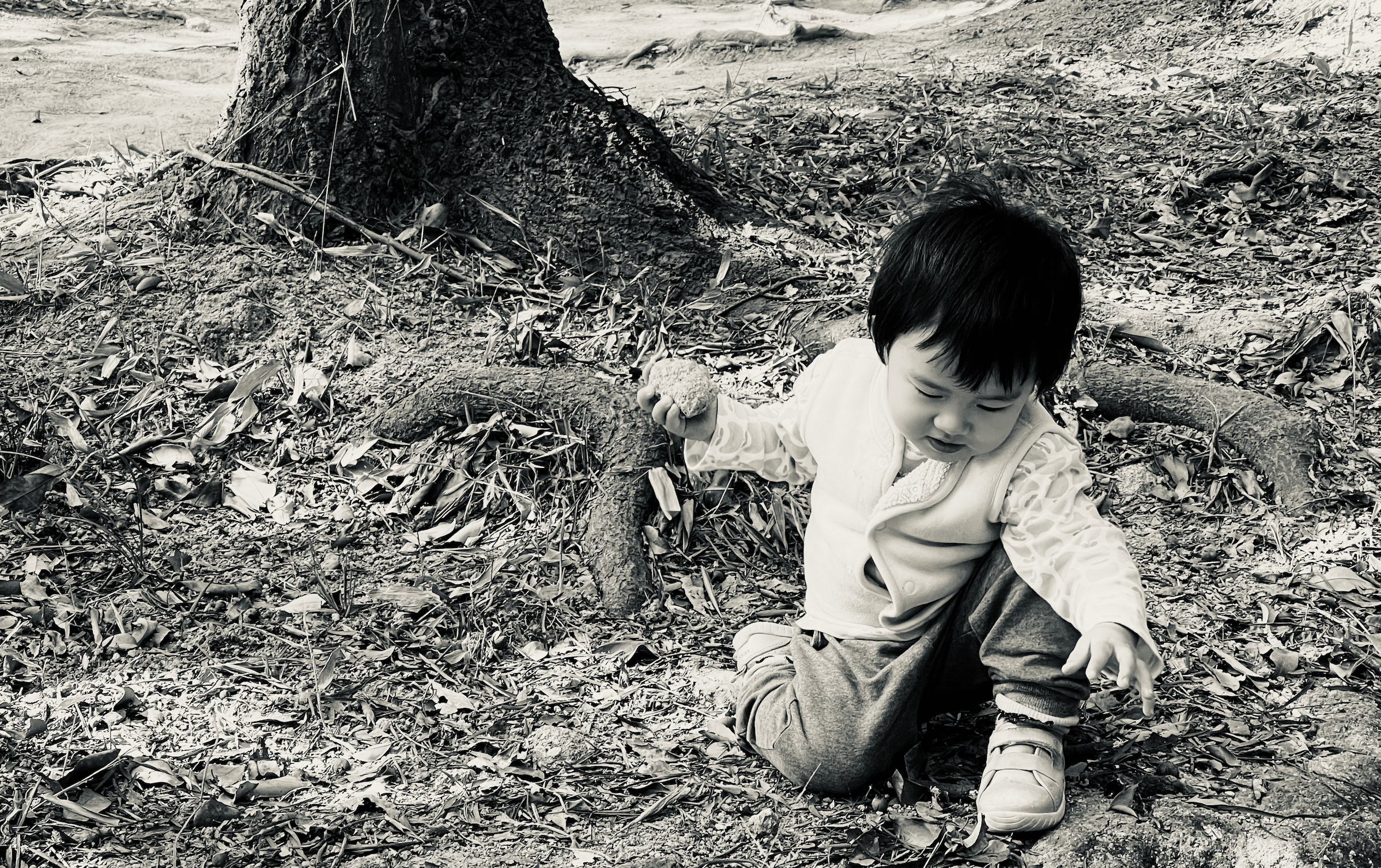
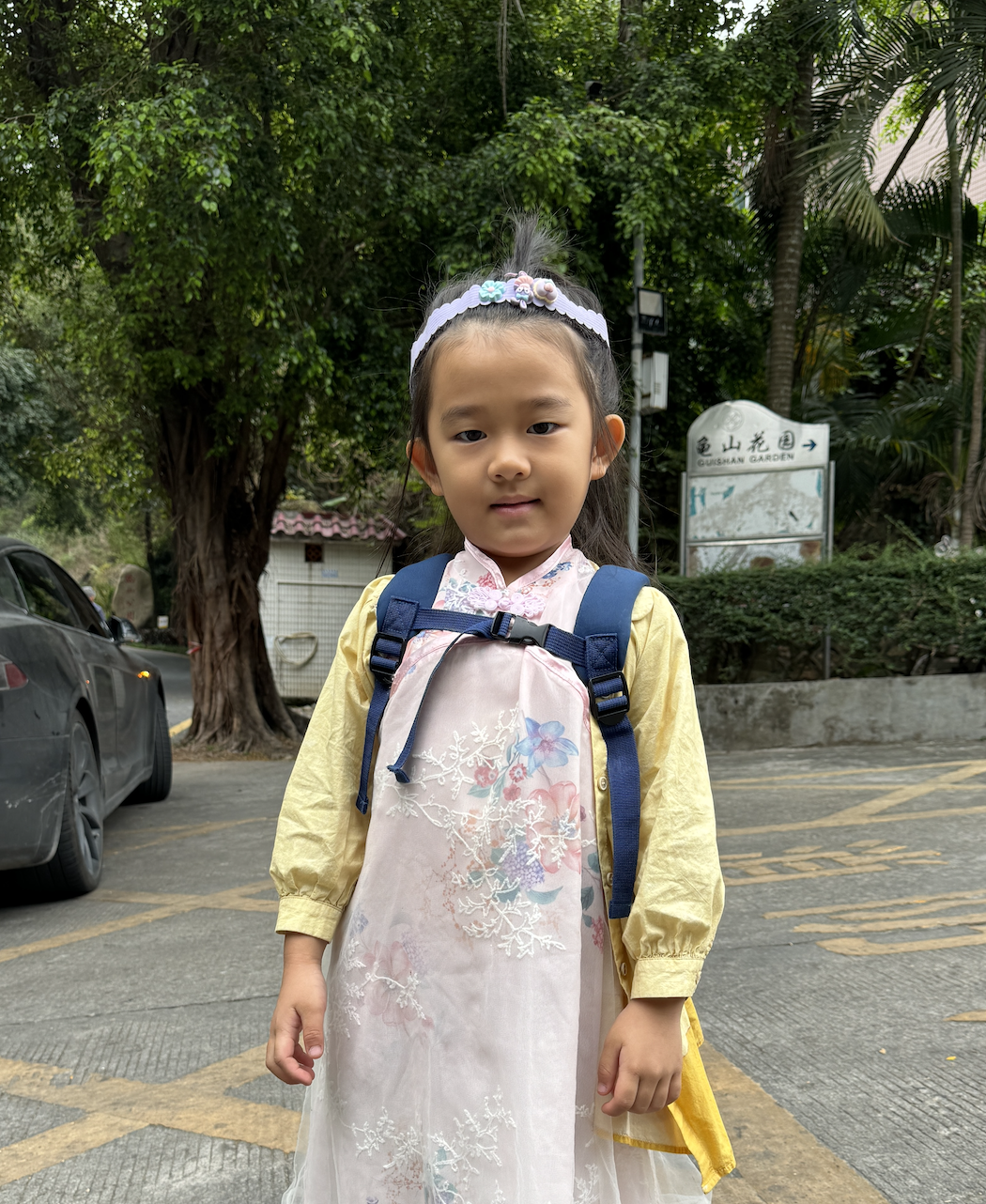
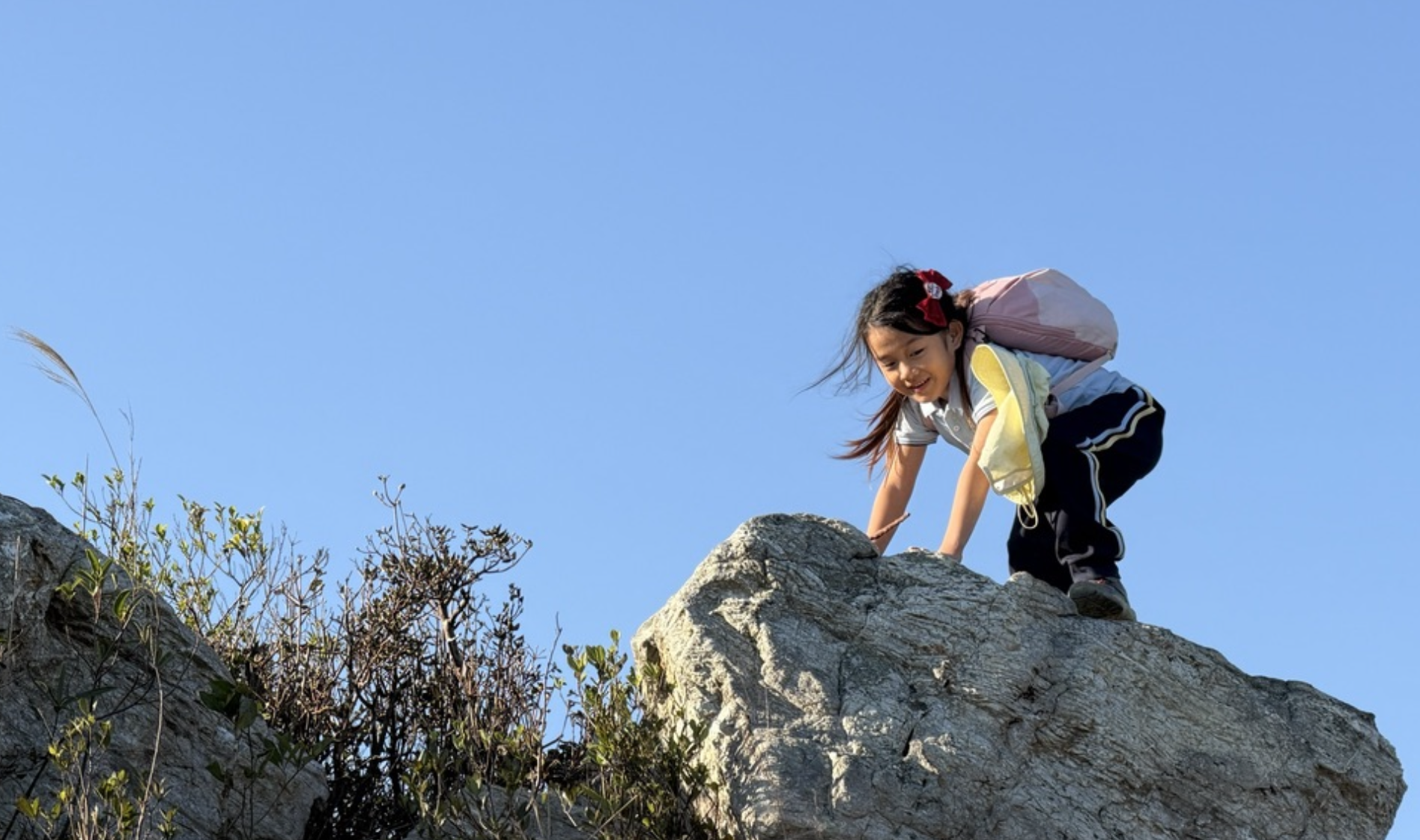
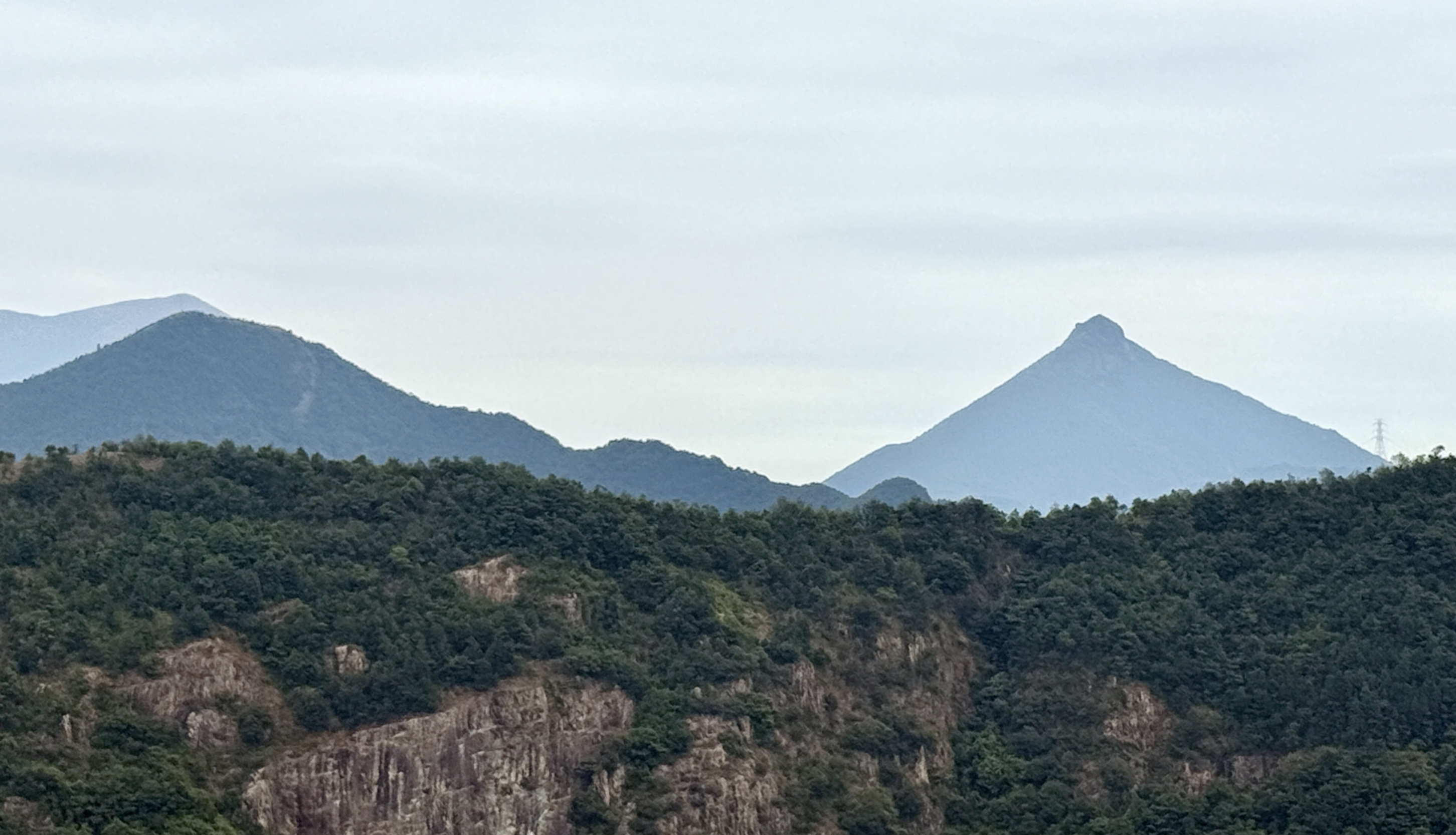
在这个赢家通吃的时代,AI 似乎即将重塑一切。我们焦虑于如何提升孩子的适应力,如何对冲未来的风险。但走在山路上,我忽然明白:也许最好的教育,不是把孩子变成一台完美执行的机器,而是保留他们生而为人的那些不可预测性、那些混乱却充满灵性的特质。
爬山,就是这样一种练习。它包含了低效的探索、没有即时反馈的孤独,以及没有强制目标的自由。而这些,恰恰是生命力扎根的土壤。
做个见证者,而非调度员
爬山是一场孤独的旅程,也是一场对话。当你倾听山野时,山野也在打量你。
作为父亲,我常感到自己的匮乏。面对女儿关于飞来石的追问,关于路边野花名字的好奇,我常常哑口无言。但这又何妨?我可以坦然承认自己的无知,然后和她一起,借助 AI,借助书本,去重新认识这个世界。
在路上,我也看到了孩子社会性的萌芽。她和最好的朋友一起爬山,前一秒还在跟我抱怨讨厌她,后一秒又耐心地把心爱的糖果分给对方,两人笑作一团。
看着她们的背影,我背着二十多斤的水和食物,跟在后面。那一刻,我深刻地意识到:真正的教育,你无法调度一个生命,你只能见证它。
作为父母我们能做的,不是精密地规划她每一步落脚点,而是像这沉重的登山包一样,为她背负起足够的冗余。那是安全的底线,是无条件的爱,是无论她走多远,回头时都在的目光。
在这漫长的山路上,我愿意做一个无用的父亲。背上偌大的背包在一旁时而观看,时而欣赏,看着她用自己的双脚,丈量出属于她的宽阔世界。
In the Wilderness, Be a “Useless” Father
At heart, parents everywhere are much the same. We always hope our children will be healthy, intelligent, and—ideally—achieve some success in their studies. Yet, in today’s high-velocity modern society, this seemingly simple wish has become increasingly heavy and complex.
As a typical dual-income household, my wife and I have also drowned in this torrent of anxiety. This was especially true when our eldest son, amidst fierce competition, missed out on the Ivy League and wound up at UCSC. Beyond the regret, I felt a jolt of alarm: Between our busy careers and our absence from his life, had we missed something crucial? Now, facing my younger daughter who just started elementary school, I often wonder: How can I ensure her path to adulthood is driven less by anxiety and defined more by a carefree, unfurled spirit?
It wasn’t until last week—when my daughter came home cradling three medals from her sports day, pure joy radiating from her young face—that I felt certain for the first time: Some forms of persistence are simply right.
I want to talk about a piece of “dumb labor”—a simple, low-tech habit—my family has stuck to for the past two years: taking the kids mountain hiking.
Finding a Block of “Useless” Time
Two years ago, I was still stuck in a loop of high-intensity work. Running fourteen or fifteen hours a day, my wife and I were living like tireless machines. Yet, even so, we stubbornly tried to carve out a crack in our weekends—a gap where we could accompany the children and catch our own breath.
We tried painting classes. The child drew happily while we waited outside, anxious and fidgeting; time felt fragmented and unsettling. We tried swimming and boxing, but it always felt like we were there to acquire a skill. Something was missing.
What we really wanted was simple: for the family to be together, possessing a large, unbroken block of purposeless leisure. In this time, we stop being managers watching the clock, and the children stop being performers rushing between appointments. We can touch the soil, watch the clouds, and do absolutely nothing.
And so, the hiking backpack that had gathered dust for five or six years was dug out of storage.
From Tottering Steps to Taking Flight
At first, it was just a hazy idea. In our youth, my wife and I were fanatical outdoor enthusiasts. Chuandiding, the Ao-Tai traverse, Mount Kailash… those wild peaks witnessed our youth. But with the birth of our children and the interruptions of the pandemic, our bodies had given way. My VO2 max plummeted from 45+ to 20, and even that 75-liter backpack began to feel heavy.
To our surprise, the first time we took the whole family to hike the loop at Meilin Reservoir, a septuagenarian and a five-year-old managed to muscle through five miles. In that moment, it felt as if a extinguished flame had been rekindled. Next time, maybe we try Dananshan, right on our doorstep?
From then on, every Saturday became our family hiking day. From Tanglang Mountain to Wutong Mountain, from Qiniang Mountain to Meishajian; after finishing Danaoke, we went to Fenghuang Mountain. As winter turned to spring, we watched our daughter evolve—from needing a hand to hold, to skipping freely up the steps of Yangtai Mountain, to moving through the forests of Yinping Mountain with the agility of a deer.
In this winner-takes-all era, AI seems poised to reshape everything. We are anxious about how to improve our children’s adaptability and how to hedge against future risks. But walking on the mountain trails, I suddenly understood: perhaps the best education is not to turn a child into a perfect execution machine, but to preserve those unpredictable, chaotic, yet spiritually vibrant qualities that make them human.
Hiking is exactly this kind of practice. It contains inefficient exploration, loneliness without immediate feedback, and freedom without mandatory goals. And these are precisely the soil in which vitality takes root.
Be a Witness, Not a Dispatcher
Hiking is a solitary journey, and it is also a conversation. When you listen to the wild, the wild sizes you up in return.
As a father, I often feel my own keenly felt deficits. Faced with my daughter’s questions about the “Flying Stone” or her curiosity about the names of wildflowers by the trail, I am often left speechless. But does it matter? I can frankly admit my ignorance, and then, together with her—using AI, using books—reacquaint myself with this world.
On the road, I also see the budding of her social self. She hikes with her best friend; one second she is complaining to me that she hates her, and the next she is patiently sharing her favorite candy, the two of them collapsing into laughter.
Watching their retreating figures, I follow behind, carrying twenty-plus pounds of food and water. In that moment, I realize profoundly: In true education, you cannot orchestrate a life; you can only witness it.
What we can do as parents is not to meticulously plan her every foothold, but—like this heavy backpack—to carry enough buffer for her. That is the baseline of safety, the unconditional love, the gaze that is always there when she looks back, no matter how far she has walked.
On this long mountain path, I am willing to be a “useless” father. With a massive pack on my back, I stand to the side—sometimes watching, sometimes admiring—as she measures out her own wide world with her own two feet.
讨论
登录后可评论、点赞、引用回复。