山顶的落日此刻早已隐去,黝黑的丛林里,大家围在一起停下来先吃点东西。大家先集合,再排好队,按顺序安排好头灯。孩子在后面小声说:“爸爸,脚好痛。”
我们走的是飞鱼线,这是一条贴着山脊的野路,地图上它像一尾灰色的鱼,沿着岭南第一山的背鳞折返。远处的罗浮山只剩轮廓,近处的竹林却把人围成了迷宫。抬头只见前人的鞋跟,回头就是黑得没有底的空。
出发前我以为从海拔三百多米起步,爬升八百米就够了;到了山里才知道,升高之外还有更高。苏东坡说“罗浮山下四时春”,可这会儿我只听见心跳在数步。户外徒步,不仅是看风景,也是看清自己:山野不收留哭泣,夜色不怜悯迟疑。我们只能把脚再抬高一点,让这条鱼带着我们翻过它的背。
清晨刚到山下,就喜欢上了这条号称贯穿南昆山与罗浮山的最美公路。虽只是两车道,却能让人被四周的绿树所环绕,并为仙气氤氲的美所感动。真想停下车直接扑进这深山里,再不管世间事,从此只关心粮食和蔬菜。这一刻,世界上没有任何烦恼能追得上我们,所有的学习、工作、和那个令人窒息的文明社会,都被抛在了时速九十公里的风后。
山峦被薄雾笼罩着,那是最美的颜色,那是距离的颜色。我们之所以来到这里,不是为了寻找失去的东西,而是为了确认我还拥有着什么。看着这里的山,一旁的水,突然觉得,那些被偷走的时光并非毫无意义,是这些时光让人学会了用一种近乎贪婪的目光,去审视并珍视眼前这失而复得的人间。
到了酥醪水库附近停好车,还在山脚就闻到了那些松芝、落叶和更古老东西的味道。这是一种时间的灵气。泉水在岩石间跳跃,发出清脆的撞击声。那声音不像是在流淌,而是在歌唱。巨杉拔地而起,老庙席地而坐,好一个蓬莱仙境啊!这不是人类的花园,这是众神的宫殿。
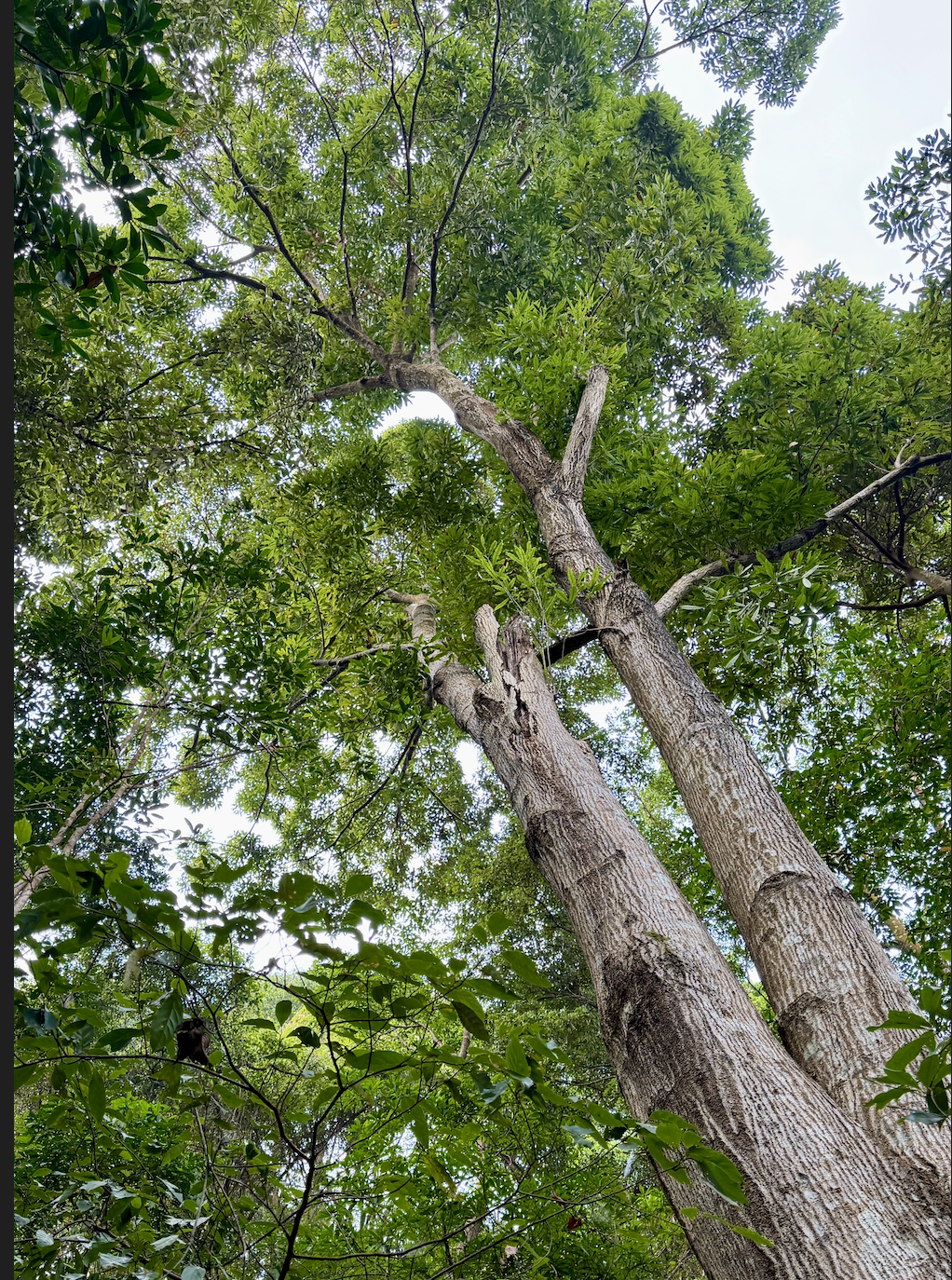
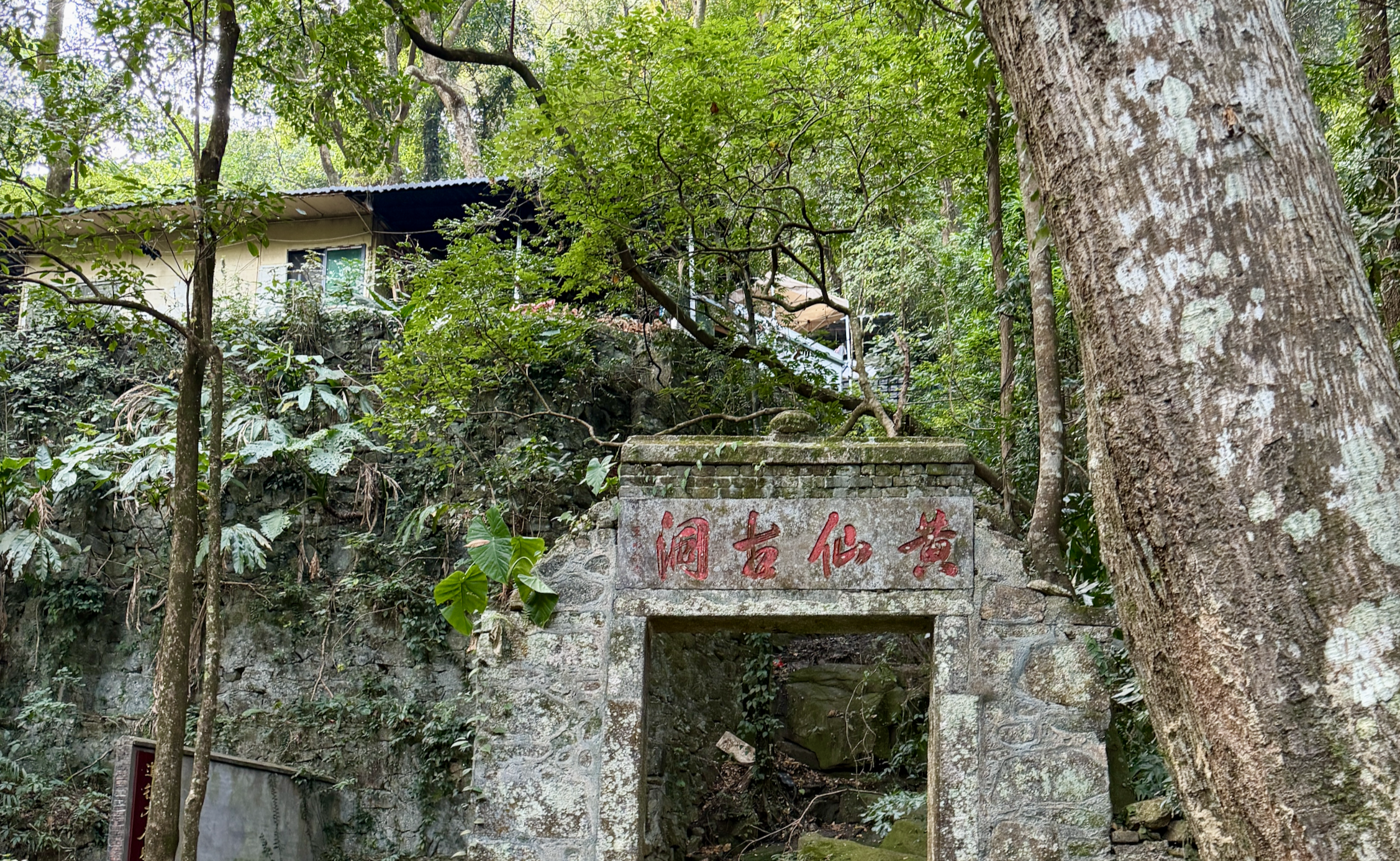
然而没想到这一行,却是走得无比艰辛。背上的 16 斤水越来越重,每迈出的一步,都需要调动意志力去对抗地心引力。上山的路像是一条陡峭的、没有尽头的天梯,蜿蜒着嘲笑我的渺小。原以为从海拔 366 米的地方出发,只需爬升 800 米就够了,没想到一路升高、再升高,甚至更高。若干的陡坡、竹林让人崩溃。人可以崩溃,路依然要走;即便天黑了,还要继续。
带孩子们来这里,不仅仅是让他们看风景,更是为了让他看清自己。城市里的一切都有说明书,都有兜底,而山野中哭泣是没用的,撒娇也是无效的。真正的坚韧不是咬牙切齿的忍受,而是一种内心的平静。这是一趟孤独的旅程,也是大自然有趣的馈赠:在这个世界上,最终能依靠的,只有你自己和那颗不肯屈服的心。
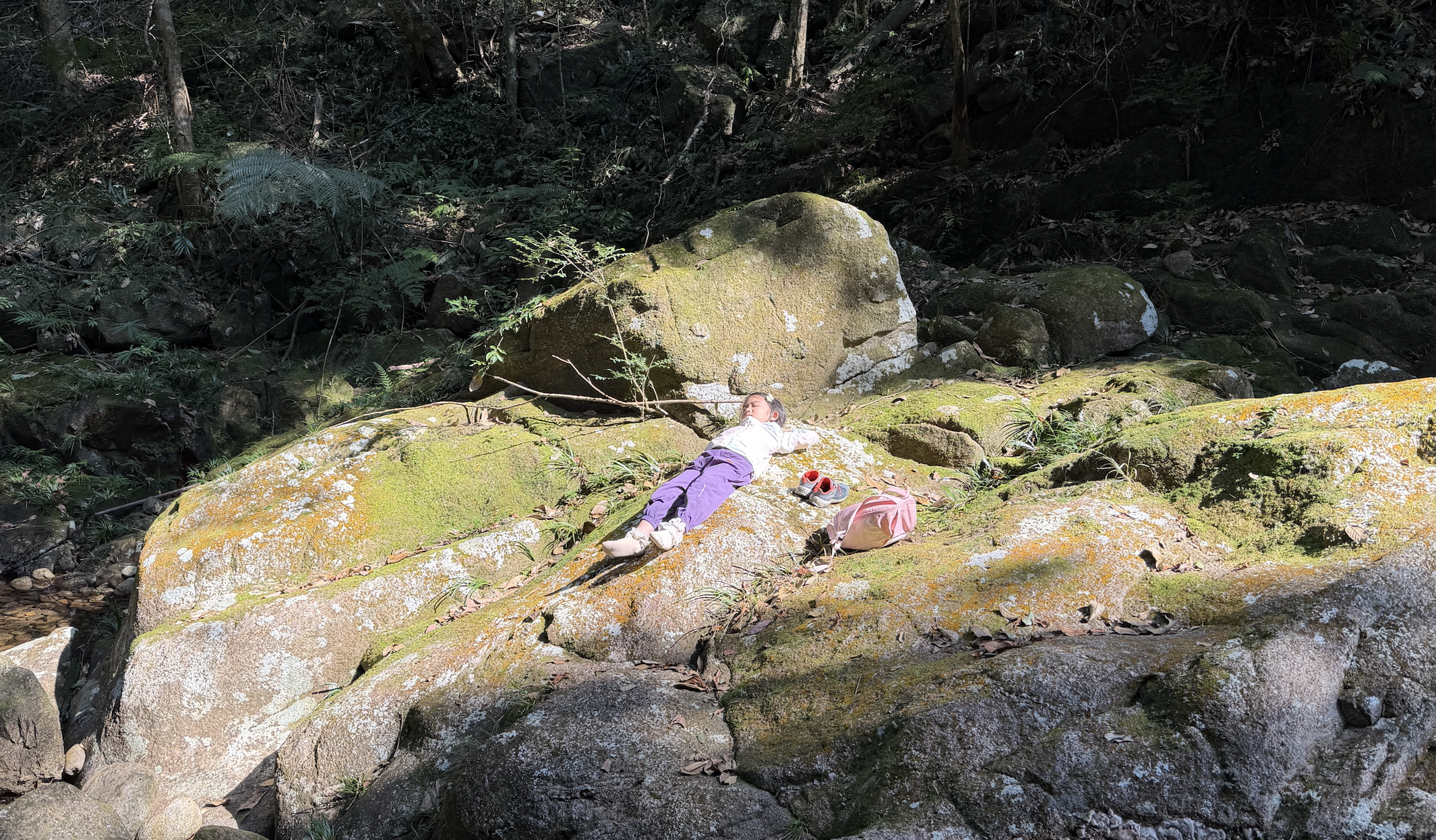
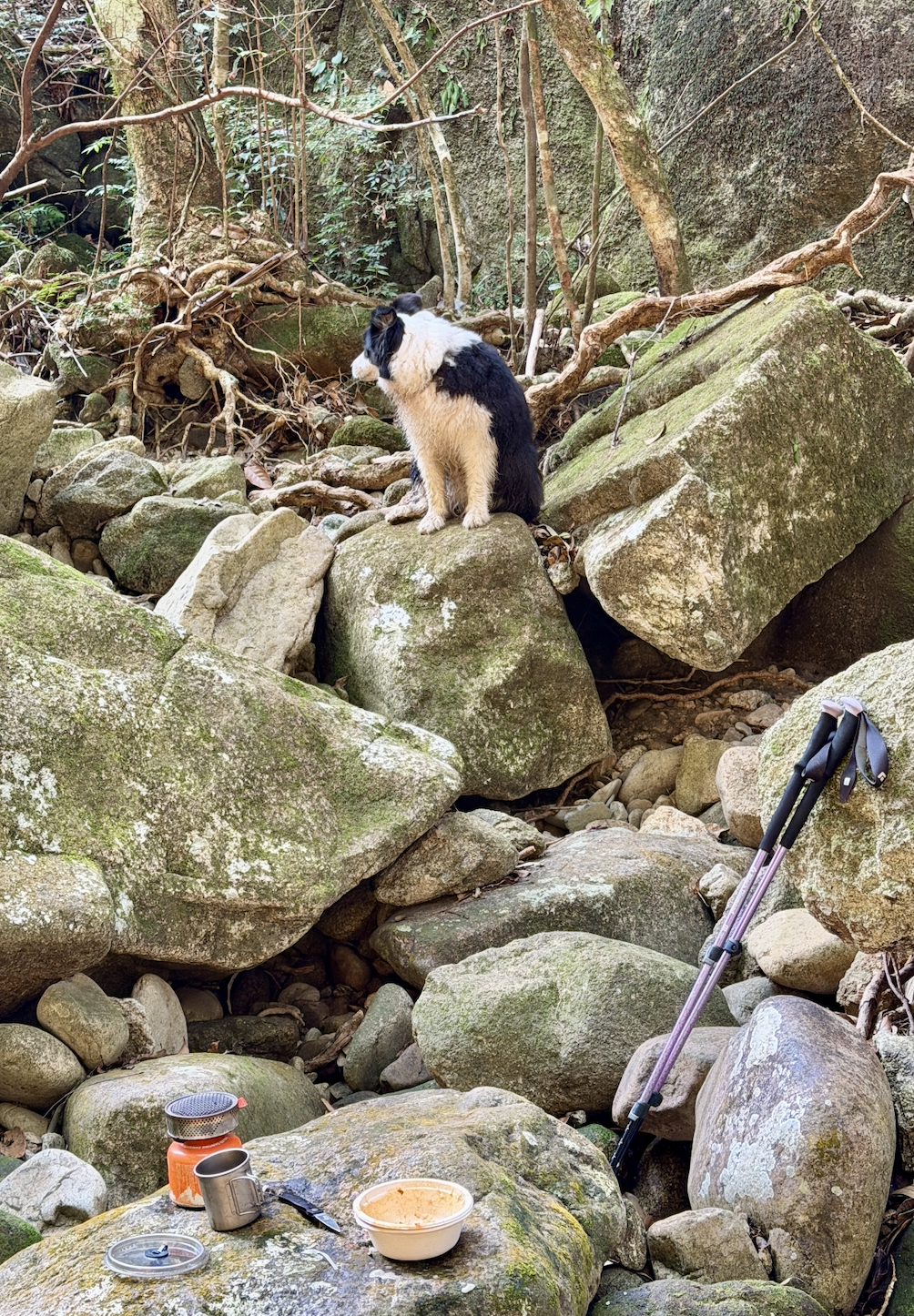
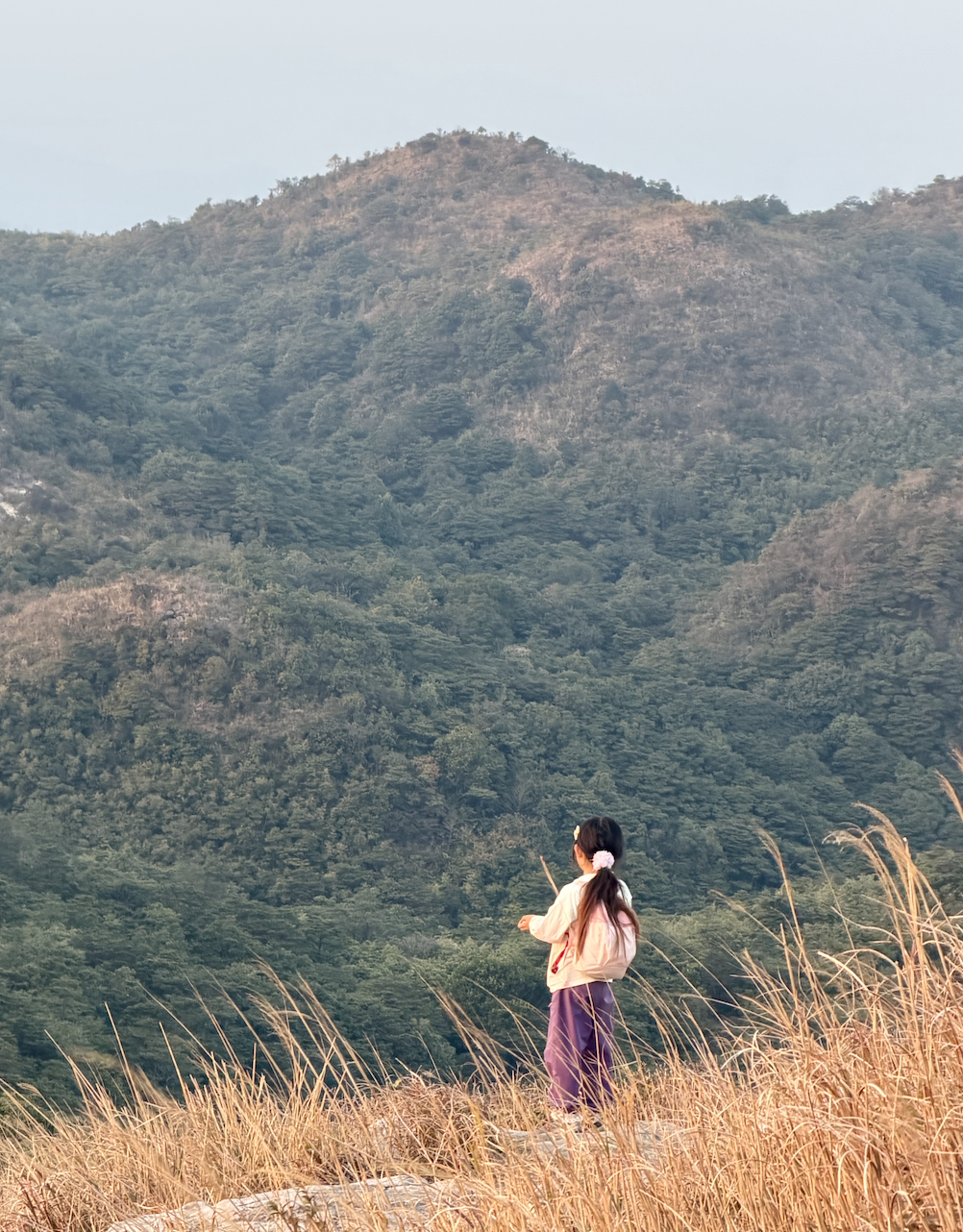
经过了一天的不停找路,在通讯靠吼的催促声中,夜里九点快下山时,就在想回来后必须写点什么说一些户外的常识。譬如对讲机的和一些必备物品。为什么需要对讲机?原因很简单:大部分山野没有手机信号,此时没有对讲机就时不时的得"吼来吼去"。在这山野无尽的静默中,无线电波成了唯一的团队救命稻草。只要那微弱的电流还在流动,声音就能插上翅膀,跨越山河。
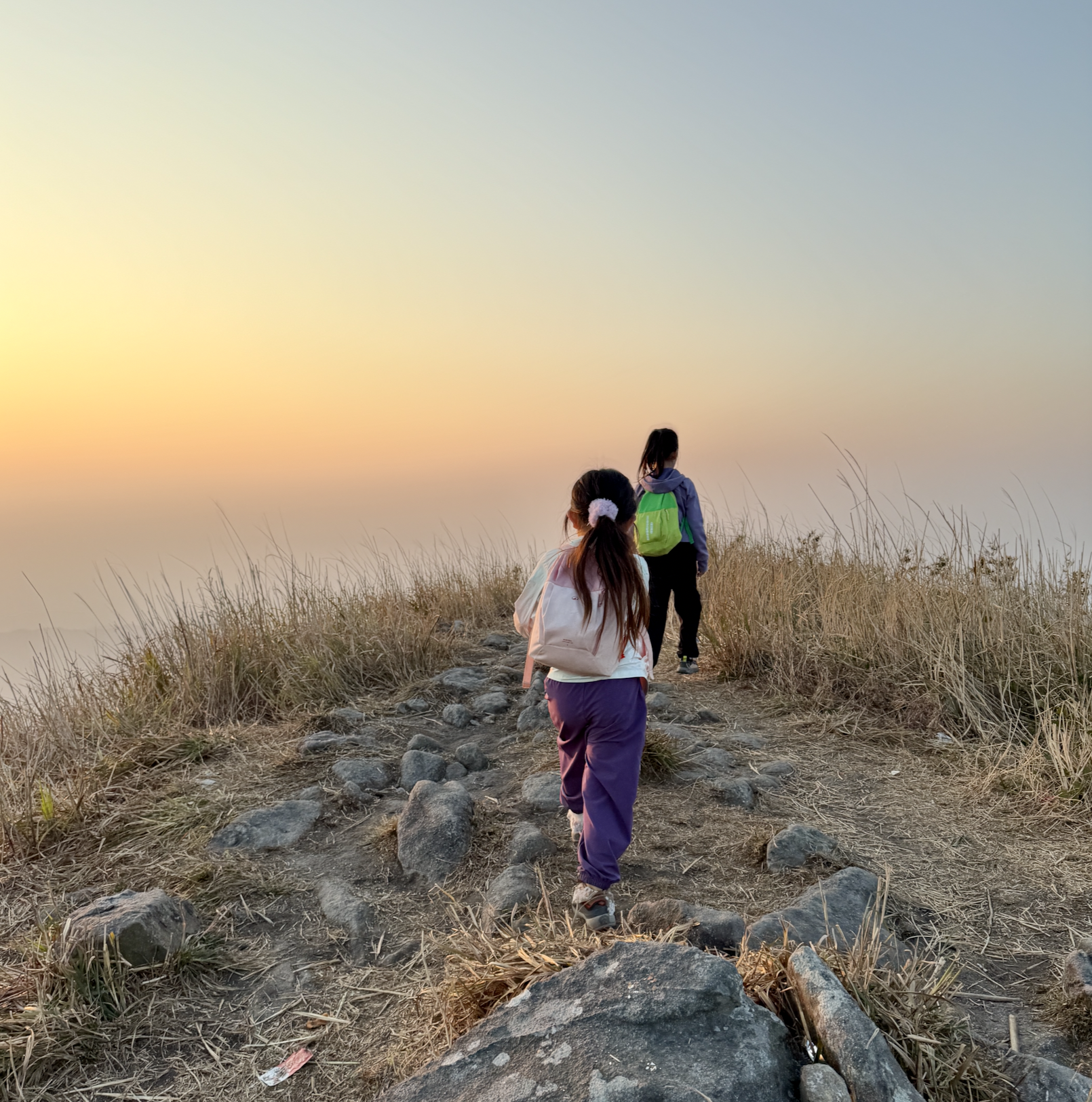
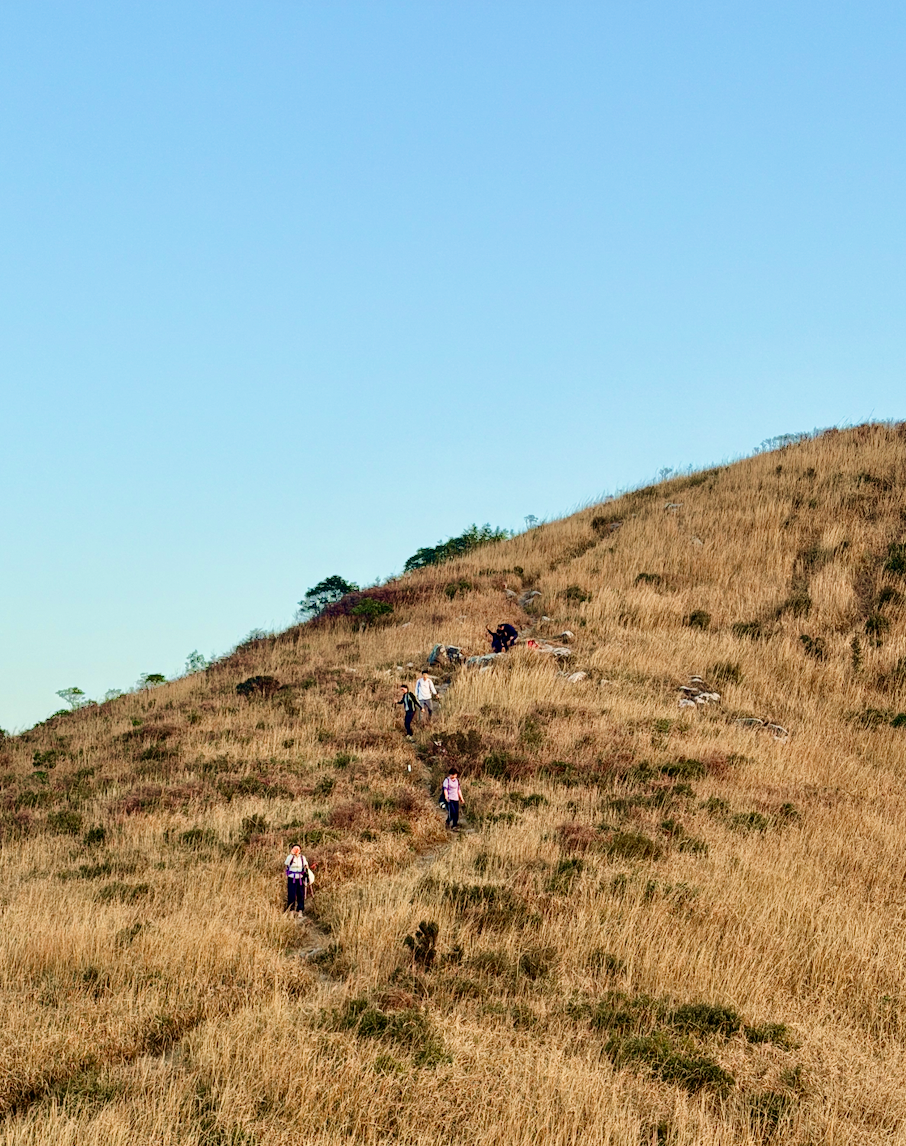
那么,2026 年了,对讲机一般如何选呢?看了若干产品介绍,在淘宝、京东上多次搜索,最后大致做了张表格:
| 型号 | 真实防水等级 | 实测山地距离* | 电池续航 & 充电 | 实测重量 (含天线) | 推荐人群 |
|---|---|---|---|---|---|
| 小米对讲机 2S | IP54 (防泼溅) | 2-5 公里 | 120h 待机 USB-C 直充 | ~130g | 追求轻便、颜值与科技感的现代徒步者 |
| 极蜂 A308 | IP54 (防泼溅) | 1-4 公里 | 100h 待机 USB-C 直充 | ~137g (极薄) | 每一克都要计较的 UL (超轻量化) 玩家 |
| 宝峰 UV-9G | IP67 (可浸泡) | 5-10 公里** | 约 18h 工作 座充为主 (部分支持 C 口) | ~260g | 经常涉水、但需要硬核防护的技术流 |
| 拓鹏 A36 Plus | IP54 (防泼溅) | 4-9 公里 | 约 24-36h 工作 USB-C 直充 | ~230g | 极客、无线电发烧友及追求高功率、彩屏玩法的进阶用户 |
💡 选购思考
户外徒步所携带的东西,很大程度上由必要性决定。在这样的清单中,隐藏了无数的选择和权衡。每一克的重量都要用汗水来支付。而对讲机的选择,这不仅是在选择一个通信工具,更是在为不同强度的户外场景选择一份安全感;这不仅是购物,这是在为在那个在暴风雨的夜晚中,为瑟瑟发抖的自己构建武器库。
- 轻量化选择: 如果你的行程以成熟的徒步路线为主,小米 2S 或 极蜂 A308 的便携性会让你几乎忘记它的存在,USB-C 直充非常方便。
- 硬核生存: 宝锋 (Baofeng) UV-9G 的 IP67 等级意味着它即便是暴雨也可放心使用,在恶劣环境下更值得信赖。
- 探索深度: 拓鹏 A36 Plus 提供更多的接收功能,适合那些享受“玩机”乐趣的用户。
- 并不是对讲机功率越大越好。10W 的机器贴着脑袋发射,其电磁辐射强度是非常高的,长期使用并非明智之选。
但需要注意,对讲机是信号发射,很受环境的影响,尤其是山野徒步时,更是如此。树林、岩石、溪流,甚至人群都可能影响、甚至阻挡信号,导致无法通信。装备的选择是一场博弈,是你与大自然、也是你与自己身体的谈判。
有了对讲机还有许多注意事项
对讲机默认需要设置通信频道才能联通。在中国的徒步者频道分为两个部分:一个是给普通游客和家庭用的公众频道(免执照),另一个是给硬核驴友和无线电爱好者用的守听频率(需执照)。
- 在中国徒步的合法公众频段是 SRD 409 MHz。详见国家无线电办公室关于对讲机频率使用管理;409.75—409.99 MHz 无需申请频率许可、无需办理电台执照。
- 长距离/资深团队: 选择支持 406.21-407.70 MHz 的设备,并依法办理电台执照。这是目前合法前提下,民用通信质量最高、干扰最少的选择。
- 红线: 永远不要触碰 150 MHz 频段中的水上频道或政府专用频段。
- 如果你没有执照,但在深山里遇到危及生命的紧急情况(SOS),按国际惯例可以例外发射呼救。但请记住,紧急情况消除后仍须报备。
对于对讲机的效果,最容易提升质量的反而是天线: 对讲机从 0.5W 到 5W,信号强度只提升了 10dB。但如果你换一根更长、调谐更准的高增益天线,或者把机器举高 2 米,效果往往相当于功率提升了 20 倍。这也是户外最妥当的办法:
- 站得更高: 向上爬 50 米,效果远超功率翻 10 倍。
- 换更好的天线: 换一根长天线增加的 3-6dB 信号,是纯净的增益,不费电且更高效。
- 减少遮挡: 避开岩石和湿漉漉的树木。
省心、合法且需远距离通信:请用 406.21—407.70 MHz 共用频道,但前提是需要办个执照。它允许你使用大功率,且信道比公众频道清净得多。
在户外,我们要做到“Leave No Trace”,在对讲机使用里,也应保持同样的尊重与自律。
除了对讲机,还需要啥
最近在户外,常常看到有人穿着一双拖鞋,拿着一瓶水就出发了,仿佛是在逛自家的后花园。这种天真在城市或许是可爱的,但在野外,它就是致命的毒药。建议任何时候都该带上下面这份最小的应急装备清单,然后再出发。未雨绸缪不再是一句空话,它是生存的唯一法则。:
- 通信工具:对讲机。关键时刻它能救命。
- 导航工具:离线地图 App(两步路),离线地图是必须。就连深圳周边的羊台山、银屏山的大部分区域都没有信号。
- 安全装备:头灯、保温毯、哨子必带。
- 食物:足够的水;在包底随时备一块压缩饼干是最明智的选择。
- 应急药:创可贴 x3、无菌纱布 x2、医用胶带、碘伏棉棒 x5、布洛芬、氯雷他定(抗过敏药)。
如果你遇到生命危险,调整到 438.500 MHz,清晰呼叫:“这里有人遇险,位置在 XX 山 XX 处,请求协助报警。”如果有“火腿”听到,他们通常会帮你打电话报警。
山野它没有仇恨,也没有怜悯。穿行其间最大的敌人往往不是野兽,而是迷路后的脱水和失温。它只是存在着,冷漠而又永恒。
参考文献
- 国家无线电办公室关于对讲机频率使用管理 — 户外爱好者来说是一份至关重要的合规指南。
The sunset atop the mountain has long since slipped away. In the inky forest, we huddle together, stop, and eat a little something. We gather first, then form up in line, fitting and checking our headlamps one by one. From the back, a child whispers, “Dad, my foot hurts.”
We are on the Flying Fish Route, a wild path that clings to the ridge. On the map it looks like a gray fish, doubling back along the dorsal scales of Lingnan’s “First Mountain.” Far off, Luofu Mountain is only a silhouette; up close, the bamboo pens us in like a maze. Look up and you see only the heels ahead; look back and there’s a blackness without bottom.
Before setting out, I thought starting at just over three hundred meters and climbing eight hundred would be enough; once in the mountains I learned that beyond high, there is higher still. Su Dongpo wrote, “At the foot of Luofu, it is spring all year round,” yet right now all I hear is my heartbeat ticking off my steps. Hiking isn’t only to see the scenery; it is to see yourself clearly: the wild offers no refuge for tears, the night has no mercy for hesitation. We can only lift our feet a little higher, and let this fish carry us over its back.
At dawn, the moment we reached the mountain foot, I fell for the road said to thread Nankunshan and Luofu—perhaps the most beautiful of them all. Only two lanes, yet it wraps you in green and a mist that feels almost otherworldly. I wanted to pull over, dive straight into the deep mountains, and never mind the world—caring from then on only about “grains and greens.” In that instant, no worry on earth could catch us; study, work, and that suffocating civilized life were all blown into the slipstream at ninety kilometers an hour.
The ranges wear a thin veil of mist—that is the most beautiful color, the color of distance. We did not come here to search for what was lost, but to confirm what I still possess. Gazing at these mountains and the water beside them, I suddenly feel those stolen hours were not meaningless; they taught us to look—almost greedily—and to cherish this human world, lost and found again before our eyes.
We parked near Sulao Reservoir, and even at the foot of the slope we could smell pine resin, fallen needles, and something older still. It felt like time’s own aura. Springs hopped over rock, striking a crisp, ringing note. It didn’t sound like flowing—it sounded like song. Towering Chinese firs shot up from the earth; an old temple sat at ease. A Penglai-like fairyland indeed! This isn’t a garden for humans; it’s a palace for gods.
I hadn’t expected such hardship. The eight kilos (about eighteen pounds) of water on my back grew heavier by the minute; every step took willpower to fight gravity. The ascent was a steep, endless ladder, winding upward as if to mock my smallness. I thought a climb of eight hundred meters from 366 would do; instead the altimeter kept climbing—higher, then higher, and higher still. A string of steep pitches and bamboo thickets was enough to break a person. You can fall apart, but the road still must be walked; even after dark, you keep on.
Bringing the kids here is not just to let them see the view, but to help him see himself clearly. In the city, everything has an instruction manual and a safety net; out in the wild, tears don’t work and coaxing won’t help. True toughness isn’t a jaw-clenched endurance; it’s a quietness inside. This is a solitary journey, and a curious gift from nature: in the end, in this world, you can rely only on yourself—and on a heart that refuses to yield.
After a day of nonstop route-finding and “shouting for comms,” by nine at night, almost down, I was already composing a note on outdoor basics—like walkie-talkies and a few essentials. Why carry one? Simple: most backcountry has no cell signal. Without radios you end up bellowing back and forth. In the wild’s unending quiet, radio waves become the team’s lifeline. As long as a thin current still flows, voices sprout wings and cross mountains and rivers.
So—it’s 2026. How do you choose a walkie-talkie? After combing through product pages and searching Taobao and JD many times, I put together this rough table:
| Model | True waterproof rating | Tested range in mountainous terrain* | Battery life & charging | Measured weight (with antenna) | Recommended users |
|---|---|---|---|---|---|
| Xiaomi Walkie-Talkie 2S | IP54 (splash-resistant) | 2–5 km | 120 h standby USB‑C direct charge | ~130 g | Modern hikers who value lightness, looks, and a tech feel |
| BeeBest A308 | IP54 (splash-resistant) | 1–4 km | 100 h standby USB‑C direct charge | ~137 g (ultra-thin) | UL (ultralight) hikers who count every gram |
| Baofeng UV‑9G | IP67 (immersion-rated) | 5–10 km** | ~18 h working Charging cradle (some support USB‑C) | ~260 g | Tech users who often face water and need hard-core protection |
| Talkpod A36 Plus | IP54 (splash-resistant) | 4–9 km | ~24–36 h working USB‑C direct charge | ~230 g | Geeks, radio enthusiasts, and advanced users seeking high power and color-screen features |
💡 Buying considerations
What you carry outdoors is largely dictated by necessity. Hidden in the list are countless choices and trade-offs. Every gram is paid for in sweat. Choosing a radio isn’t just picking a tool; it’s choosing the level of safety that fits your route. This isn’t just shopping; it’s building an arsenal for the version of you that shivers on a storm-torn night.
- Lightweight routes: If your itinerary follows mature trails, the Xiaomi 2S or BeeBest A308 are so portable you’ll almost forget them; USB‑C charging is handy.
- Hard-core survival: The Baofeng UV‑9G’s IP67 rating means you can trust it even in driving rain; in harsh conditions, it’s more dependable.
- Exploring deeper: The Talkpod A36 Plus offers broader receive/play features for those who enjoy “tinkering.”
- More watts aren’t always better. A 10 W radio transmitting next to your head means very high RF exposure; long-term use is unwise.
But remember: radios are at the mercy of the environment—especially in the mountains. Forests, rock, streams, even crowds can weaken or block signals, making communication impossible. Choosing gear is a negotiation—between you and nature, and with your own body.
Notes once you have a radio
Radios must share channels to communicate. In China, hiker use splits into two parts: public license-free channels for ordinary visitors and families, and monitored working frequencies for hardcore hikers and radio amateurs (license required).
- The legal public band for hikers in China is SRD 409 MHz. See the State Radio Regulatory notice on walkie-talkie frequency use; 409.75–409.99 MHz requires no frequency application and no station license.
- Long-distance/experienced teams: Choose equipment that supports 406.21–407.70 MHz, and obtain a station license. Under current rules, this is the cleanest, most reliable civilian option with the least interference.
- Red line: Never touch maritime channels or government-exclusive bands in the 150 MHz range.
- If you lack a license but face a life-threatening emergency (SOS) in deep mountains, international practice allows you to transmit a distress call as an exception. Remember to report afterward once the emergency has passed.
For improving radio performance, the easiest gains often come from the antenna: from 0.5 W to 5 W is only a 10 dB boost. But if you swap in a longer, better-tuned high-gain antenna, or raise the radio by two meters, the effect is often akin to a twenty-fold power increase. This is the most prudent outdoor approach:
- Stand higher: Climb fifty meters, and the effect far exceeds multiplying power by ten.
- Use a better antenna: A longer, well-tuned antenna adds 3–6 dB of clean gain—no extra battery drain, more efficient.
- Reduce obstructions: Avoid rock faces and dripping wet foliage.
For worry-free, legal, long-range communication: use the shared 406.21–407.70 MHz channels—after getting a license. You’re allowed higher power, and the band is far quieter than public channels.
Outdoors we practice “Leave No Trace”; in radio use, keep the same respect and self-discipline.
What else do you need besides a radio
Lately I’ve seen people head out in flip-flops with a single bottle of water, as if strolling their backyard. Cute in the city; in the wild, it’s a deadly poison. Carry at least this minimalist emergency kit, then set out. Preparedness is no empty slogan; it’s the only rule of survival:
- Communications: Walkie-talkie. It can save a life when it matters.
- Navigation: Offline map app (2bulu/Two Steps Road). Offline maps are mandatory. Even much of Shenzhen’s Yangtai and Yinping areas have no signal.
- Safety gear: Headlamp, emergency foil blanket, whistle—non-negotiable.
- Food: Enough water; stashing a block of compressed biscuits at the bottom of your pack is the wisest move.
- First aid: 3 bandages, 2 sterile gauze pads, medical tape, 5 povidone-iodine swabs, ibuprofen, loratadine (anti-allergy).
If you face a life-threatening emergency, switch to 438.500 MHz and call clearly: “Someone is in distress at XX Mountain, XX location. Request assistance to contact the police.” If any ham operators hear you, they will usually place the call.
The wild holds no hatred, and no mercy. The greatest enemy you meet there is seldom a beast, but dehydration and hypothermia after getting lost. It simply is—indifferent, and enduring.
讨论
登录后可评论、点赞、引用回复。